Nutrition5 min read
Creatine and Glutamine: A Clear Guide for Cancer Nutrition and Recovery
Dr. Vrundali Kannoth

Among the questions and concerns arising during cancer diagnosis, nutrition, especially protein, remains a major focus for patients and families.
Cancer patients often can’t tolerate dairy-based shakes and meat regularly. To fulfil daily needs, we’re actively exploring the importance of plant-derived protein in maintaining muscle mass and improving your quality of life.
Specialised options, such as protein powder for cancer patients, are also available to meet your nutritional goals.
In this guide, we’ll outline the key plant protein health benefits and how they support long-term wellness. We’ll also discuss how understanding plant protein benefits allows families to navigate nutritional choices with clarity and support better cancer and food habits.
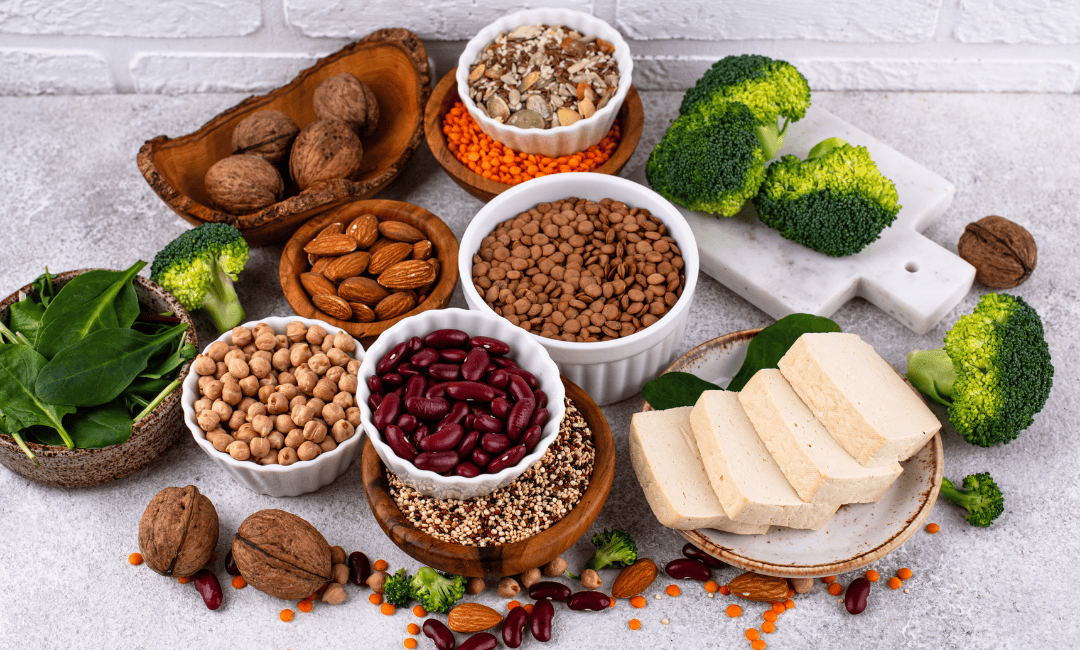
Plant based proteins are nutrients derived from plant foods. Common Indian sources include:
Unlike many animal proteins, plant proteins come naturally packaged with other helpful nutrients.
These include fibre, healthy fats, and protective plant compounds called polyphenols. This is one reason why benefits of plant based protein support overall health beyond just providing protein.
Protein quality depends on how many essential amino acids it has and how well your body can use them. Essential amino acids are protein building blocks that the body cannot make on its own.
Animal proteins usually contain all nine essential amino acids we need in good amounts, while many single plant proteins may be lower in one or two of them. For example, grains are often low in lysine, while dals and beans may be lower in methionine and cysteine.
However, this doesn’t make plant-protein useless. Eating different plant foods, such as dal with rice or beans with grains, can help improve the overall protein quality.
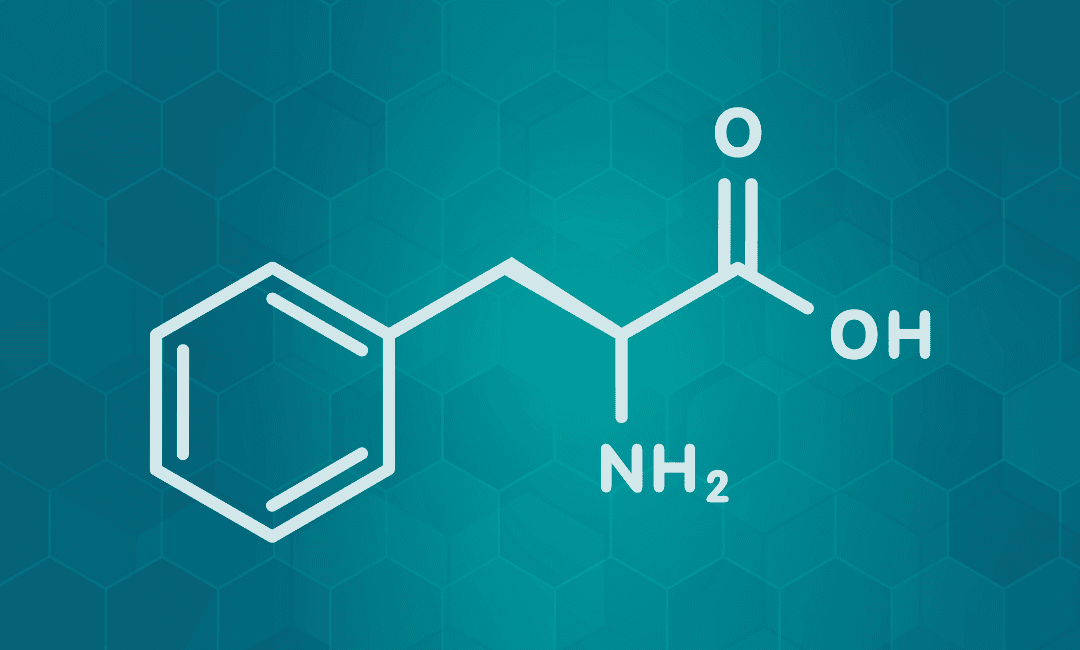
Nutrition experts use specific scales to measure protein quality. For instance:
Soy protein isolate is the only major plant protein that consistently scores a perfect 1.0 on the PDCAAS scale. Most other plant sources score between 0.5 and 0.9 due to their limiting amino acids.
The benefits of plant based protein powder can be understood by comparing their absorption rates:
| Protein source | Limiting amino acid | PDCAAS score | DIAAS score |
|---|---|---|---|
| Soy protein isolate | None (Slightly low methionine) | 1.00 | 0.90 to 0.95 |
| Pea protein | Methionine / Cysteine | 0.89 | Suboptima |
| Black beans | Methionine / Cysteine | 0.75 | Suboptimal |
| Oats | Lysine | 0.57 | Suboptimal |
| Wheat gluten | Lysine | 0.25 | Suboptimal |
Oncology patients frequently experience severe metabolic stress. This is driven by the systemic effects of the tumour and the side effects of treatments like chemotherapy, radiation, and surgery.
These challenges can cause a loss of appetite, altered taste, mouth sores, muscle wasting, and can intensify cancer fatigue. Maintaining an adequate intake of highly absorbable protein is vital to preserving muscle mass and supporting tissue repair.
There are specific plant protein benefits for cancer patients going through intensive therapies:
A major component of plant protein benefits is its positive impact on the digestive system.
Unlike animal proteins that often come with saturated fats, sodium, and heme iron, plant proteins are naturally packaged with soluble and insoluble fibres that support gut health.
A plant-rich diet increases beneficial gut bacteria like Bifidobacterium and Lactobacillus. These bacteria turn prebiotic plant fibres into short-chain fatty acids that help reduce inflammation.
At the same time, plant based eating helps suppress harmful bacterial species.
In addition to digestion, plant protein benefits also include a significant reduction in cardiovascular issues.
By lowering LDL and total cholesterol, reducing blood pressure, and improving overall blood vessel function, plant based foods help you stay heart-healthy.

Here are a few plant-protein benefits during cancer recovery:
| Recovery need | How plant based protein may help |
|---|---|
| Higher protein needs | Cancer treatment can increase protein needs. Patients may need 1.0–1.5 g/kg/day, based on medical guidance. |
| Muscle support | Adequate protein helps preserve lean muscle, strength, and daily function during recovery. |
| Tissue repair | Protein supports wound healing and tissue repair after surgery, chemotherapy, or radiation. |
| Easier digestion | Pea, soy, and rice proteins are lactose-free and may suit patients who feel bloated with dairy-based supplements. |
| Low appetite | Plant protein can be added to small meals like dal soup, khichdi, oats, smoothies, or soups. |
| Balanced amino acids | Combining dals with rice, beans with grains, or peas with rice protein improves overall protein quality. |
| Safer long-term eating | Replacing processed meats with plant proteins may support heart health and overall wellness |
Oncologists often discuss the plant protein benefits for cancer survivors who want to transition to a cleaner, plant-forward lifestyle.
To get the most plant protein powder benefits, choose a supplement that blends different plant sources. For instance, pea protein is lower in methionine, while rice protein is lower in lysine. But they provide a more balanced amino acid profile together.
Check the ingredient list carefully. Choose products with fewer additives, artificial sweeteners, gums, and fillers, especially if your digestion is sensitive during cancer treatment.
The benefits are similar to those of other plant whole-food sources. But a good protein powder should have third-party testing and, ideally, a batch-specific Certificate of Analysis to check for heavy metals and contaminants.
Always check:
| Certification | What it checks |
|---|---|
| NSF Certified for Sport | Batch testing for banned substances, heavy metals, and impurities |
| Informed Choice | Random testing to confirm safety and label accuracy |
| USP Verified | Ingredient purity, potency, microbial safety, and manufacturing quality |
Speak with your oncologist or dietitian before starting any protein supplement.
Plant protein has multiple benefits, but you should choose the sources carefully, especially during cancer care. Keep in mind:
Before you start plant-protein supplements, here are a few questions to ask your oncologist or care team:
Navigating nutrition during cancer treatment can feel overwhelming, especially when balancing side effects, muscle preservation, and recovery. The benefits of plant based protein powder go beyond basic nutrition to support full-body recovery.
Shifting from animal to plant proteins provides proven advantages for heart health, digestion, and kidney protection. Embracing all plant protein powder benefits can play a key role in protecting both heart and kidney function.
Everhope offers expert-led oncology care to help you understand the options and make informed decisions. Our team also supports you with specialist consultations, comprehensive treatment planning, and dedicated oncology nutrition support to manage your dietary needs safely.