
+918929672099
Call Us
Top Cancer-Fighting Herbs and Spices Backed by Science
Dr. Vrundali Kannoth|5 min read|
When the body is fighting something as serious as cancer, every small, supportive choice matters.
What you eat is one of them, and it's one you actually have a say in.
A growing body of research confirms that cancer-fighting herbs and spices contain bioactive compounds that influence inflammation, cellular repair, and immune response.
Turmeric, garlic, ginger, and ashwagandha - these aren't just ancient remedies passed down through generations. They're now subjects of serious clinical investigation.
This blog breaks down which herbs and spices have the most credible science behind them, what Ayurvedic plant medicine brings to the table, and how to use all of it safely and smartly alongside your treatment.
What are cancer-fighting herbs and spices?
Herbs and spices contain phytochemicals - natural plant compounds that interact with the body at a cellular level.
These compounds can reduce chronic inflammation, neutralise cell-damaging free radicals, and slow tumour growth. In some cases they trigger apoptosis - the process by which damaged or abnormal cells self-destruct.
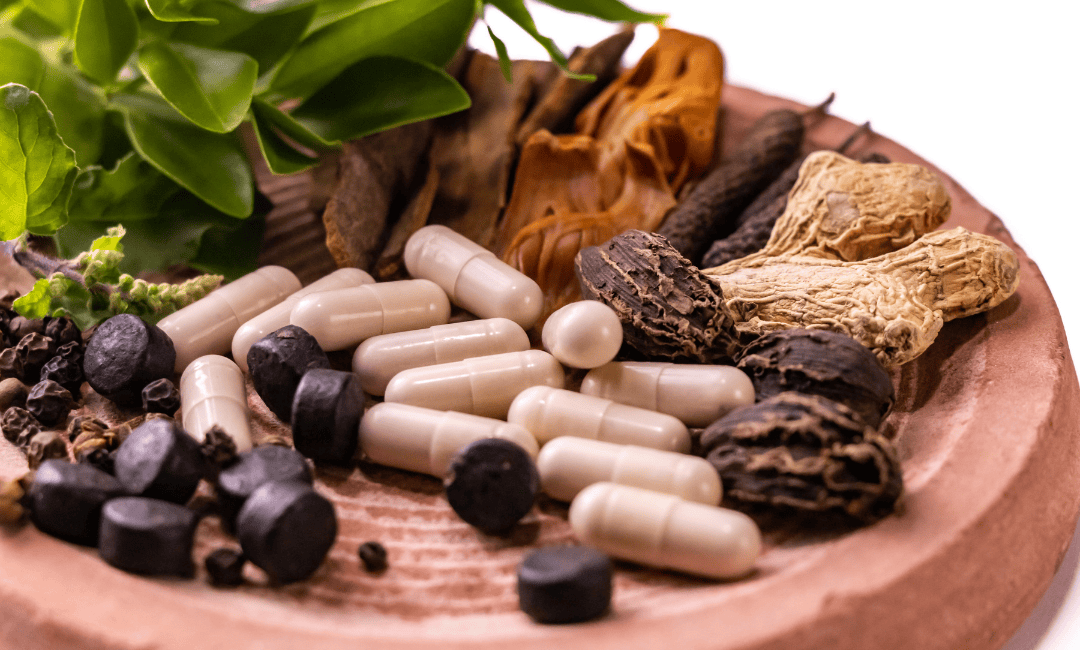
Cancer-fighting herbs and spices don't replace treatment. They support the internal environment by making it less hospitable to cancer and more resilient overall. Alongside foods that prevent cancer, they're increasingly being studied as a meaningful part of integrative oncology care.
Top anti-cancer herbs backed by research
Understanding cancer and food habits has become a growing part of integrative oncology, with researchers worldwide examining how plant compounds influence cancer biology. Here's what the evidence currently supports:
| Herb | Key active compound | How it supports cancer care | Cancer types studied |
|---|---|---|---|
| Turmeric | Curcumin | Inhibits tumour growth, triggers apoptosis, reduces inflammation | Breast, colorectal, lung, prostate, liver |
| Garlic | Allicin, organosulphur compounds | Induces apoptosis, cell cycle arrest, antioxidant activity | Gastric, prostate, breast, colorectal |
| Ginger | Gingerol, Shogaol | Anti-tumour, anti-inflammatory, eases chemotherapy-induced nausea | Breast, skin, lung, gastrointestinal |
| Green tea | EGCG (Epigallocatechin gallate) | Inhibits tumour growth, reduces metastasis risk, immune-enhancing | Breast, lung, prostate |
| Rosemary | Rosmarinic acid | Anti-tumour, anti-proliferative, inhibits cancer cell migration | Colon, breast |
| Milk thistle | Silymarin/Silibinin | Cytotoxic against cancer cells, supports liver during treatment | Liver, prostate, breast |
| Astragalus | Polysaccharides | Boosts immune response, improves quality of life during treatment | General immune support |
| Cat’s claw | Oxindole alkaloids | Immune-modulating, inhibits cancer cell proliferation | Ovarian, lung, leukaemia (pre-clinical) |
| Ginseng | Ginsenosides | Reduces cancer-related fatigue, supports immune function | General cancer support |
Note: Most evidence is from preclinical and laboratory studies. Clinical trials in humans are ongoing. Always consult your oncologist before using herbal supplements alongside treatment.
The connection between nutrition and cancer outcomes is increasingly backed by data, and anti-cancer herbs like those above are now a recognised part of integrative care conversations.
That said, these are the best herbs for cancer support, not standalone cures.
Ayurvedic herbs for cancer support
India's traditional medicine system has documented plant-based cancer care for over 5,000 years.
These are the ayurvedic herbs for cancer support with the most research behind them:
| Herb | Key active compound | How it supports cancer care | Cancer types studied |
|---|---|---|---|
| Ashwagandha | Withaferin A, Withanolides | Inhibits tumour growth, induces apoptosis, blocks angiogenesis, reduces oxidative stress | Breast, lung, prostate, colon |
| Tulsi (Holy Basil) | Eugenol, Ursolic acid | Inhibits tumour growth, boosts immune response, anti-inflammatory, anti-metastatic | Breast, lung, colon, prostate, skin |
| Neem | Azadirachtin, Nimbolide | Boosts immunity, induces apoptosis, prevents angiogenesis, detoxifying | Leukaemia, lung, breast, skin, liver |
| Guduchi (Giloy) | Palmatine, Tinosporine | Immunomodulatory, anti-tumour, supports liver during treatment | Leukaemia, lymphoma, breast, liver |
| Triphala | Ellagic acid, Quercetin, EGCG | Pro-apoptotic, detoxifying, radioprotective and chemoprotective | Colorectal, breast, general support |
| Amla (Indian gooseberry) | Vitamin C, Ellagic acid, Tannins | Antioxidant, anti-proliferative, stops cancer cell development | Cervical, liver, colorectal |
| Kalmegh | Andrographolide | Directly targets cancer cells, strengthens immunity, eliminates toxins | Broad spectrum (ongoing research) |
These anti-cancer ayurvedic herbs are most effective when used as part of a guided integrative plan.
As ayurvedic herbs for cancer treatment continue to be studied, the evidence increasingly supports their role in reducing treatment side effects, supporting immunity, and improving overall quality of life.
Note: Ayurvedic Indian herb for cancer formulations are often prescribed in combination, not isolation. Always consult a qualified Ayurvedic practitioner alongside your oncology team.
Powerful cancer-fighting spices to include in your diet
There is no single answer to what spice kills cancer cells. But the evidence on spices that prevent cancer is growing steadily.
Turmeric, black cumin, and saffron consistently rank among the most researched anti-cancer foods and herbs. These cancer-fighting herbs and spices are among the most accessible tools available to you.
The table below covers the cancer-fighting spices most consistently backed by research:
| Spice | Key active compound | How it supports cancer care | Cancer types studied |
|---|---|---|---|
| Turmeric | Curcumin | Anti-proliferative, anti-metastatic, induces apoptosis, reduces inflammation | Breast, colorectal, lung, prostate, liver |
| Black pepper | Piperine | Enhances curcumin absorption, cytotoxic, chemopreventive, inhibits tumour cell proliferation | Breast, colorectal, lung |
| Saffron | Crocin, Crocetin, Safranal | Induces apoptosis, inhibits cell proliferation, antioxidant, anti-tumour | Lung, gastric, ovarian, breast, prostate |
| Cayenne pepper | Capsaicin | Inhibits cancer cell growth, cytotoxic against tumour cells, immune-enhancing | Prostate, lung, skin |
| Cinnamon | Cinnamaldehyde, Eugenol | Anti-proliferative, restricts tumour growth, anti-angiogenic | Colorectal, gastric, cervical |
| Black cumin (Kalonji) | Thymoquinone | Targets multiple cancer hallmarks, induces apoptosis, anti-inflammatory | Breast, lung, liver, colorectal |
| Clove | Eugenol | Restricts cancer cell growth, pro-apoptotic, anti-metastatic | Cervical, colorectal, skin |
| Cardamom | Limonene, Cineole | Chemopreventive, antioxidant, inhibits tumour proliferation | Colorectal, skin |
| Cumin | Cuminaldehyde | Anti-tumour, antioxidant, inhibits cancer cell migration | Gastric, colorectal |
A well-structured diet for cancer patients that regularly incorporates these spices and cancer-fighting compounds contributes to an anti-inflammatory internal environment.
Have small and consistent additions of anti-cancer spices like turmeric in your dal, black pepper alongside it, saffron in warm milk, and kalonji in bread.
Myths and facts: Can herbs cure cancer?
The internet is full of bold claims about herbs that cure cancer, and equally full of blanket dismissals. Neither extreme serves you well.
Here's what the science actually says:
- Myth: Natural herbs to cure cancer exist; just take them instead of chemotherapy.
Fact: No herb has been clinically proven to cure cancer independently. Their evidence-based role is supportive. They help reduce inflammation, boost immunity, and ease treatment side effects alongside conventional care.
- Myth: If it's natural, it's safe in any amount.
Fact: High doses of certain herbs can interfere with chemotherapy, thin the blood, or stress the liver. Natural does not mean harmless.
- Myth: Herbs that can cure cancer are being suppressed by the pharmaceutical industry.
Fact: Hundreds of peer-reviewed studies on plant compounds are publicly funded and freely available. Curcumin alone has thousands of published studies.
- Myth: Cancer foods to avoid and the right herbs are all you need.
Fact: Diet plays a meaningful supporting role, but no dietary change replaces surgery, chemotherapy, or radiotherapy where clinically indicated.
- Myth: Foods that can cause cancer can be neutralised by eating the right spices.
Fact: Reducing processed foods and known carcinogens genuinely lowers risk. Herbs support a healthier internal environment; they don't undo existing damage.
- Myth: If herbs haven't cured my cancer, I'm taking the wrong ones.
Fact: Cancer-fighting herbs and spices are supportive tools, not treatments. The best protein for cancer patients and a well-rounded nutrition plan matter just as much as any single herb.
How to safely use herbs and spices during cancer care
Knowing what herbs are good for cancer support is only half the picture. How you use them matters just as much.

- •Always inform your oncologist:Before adding any cancer-fighting herbs or supplements, tell your medical team. Some herbs used to treat cancer can interfere with chemotherapy drugs or alter their potency.
- •Food first, supplements second:Cooking with cancer fighting herbs and spices daily is generally safe. High-dose herbal supplements require professional guidance.
- •Timing relative to treatment matters:Certain herbs should be paused before surgery. Garlic and ginger have blood-thinning properties that can increase bleeding risk around procedures.
- •Source and quality count:Not all herbal products are equal. Look for standardised extracts from reputable sources. Contaminated supplements are a genuine concern, particularly with products sourced online.
- •Work with an oncology nutritionist:Oncology nutrition is a growing speciality. A qualified professional can help identify the best herbs for cancer treatment safely.
- •Consistency beats high doses:The best anti-cancer herbs work best at moderate levels. Chronic overuse of even well-researched herbs to prevent cancer can stress the liver and kidneys.
The best herbs to fight cancer are only beneficial when used safely.
Using herbs and spices as part of your cancer care
Nature has always had a role in healing, and science is now catching up with what traditional medicine has known for centuries. The cancer-fighting herbs and spices covered in this blog are meaningful, well-researched additions to a cancer care routine when used wisely and safely.
A smart choice of food combined with the right medical treatment can make the journey a little more supported.
That being said, you don't have to figure this out alone. Speak to an oncology doctor who understands integrative care, and let them help you build a plan that works for your body, your treatment, and your life.
FAQs
Some compounds like curcumin and EGCG have shown cancer cell-killing ability in lab studies, but no herb is clinically proven to directly kill cancer cells in humans.
Related Blogs
Insights5 min read
Muh Ke Cancer Ke Lakshan (मुंह के कैंसर लक्षण): कैसे पहचानें?
Dr. Vrundali Kannoth