

+918929672099
Call Us
Nanotechnology in Cancer Treatment: Latest Advances, Nano-Drugs & Future Scope
Dr. Vrundali Kannoth|5 min read|
A cancer diagnosis changes everything. The world narrows, the questions multiply, and the need for answers becomes urgent.
If you're here, whether for yourself or someone you love, know that the science is moving faster than ever before. It is moving in your favour.
Nanotechnology in cancer treatment is one of the most significant leaps forward in modern oncology. Tiny, precisely engineered particles, invisible to the naked eye, are being designed to find cancer cells, destroy them, and leave healthy tissue completely unharmed.
Let’s take a deep look at what nanotechnology in cancer care means, how it's being used today, the latest breakthroughs, and what the future looks like for patients.
What is nanotechnology in cancer treatment?
Nanotechnology in cancer treatment means engineering materials at the nanoscale (typically between 1 and 100 nanometres) to detect, target, and treat cancer with extraordinary precision.
It can travel through the blood, cross biological barriers that ordinary drugs cannot, and act directly on cancer cells while leaving healthy tissue untouched.
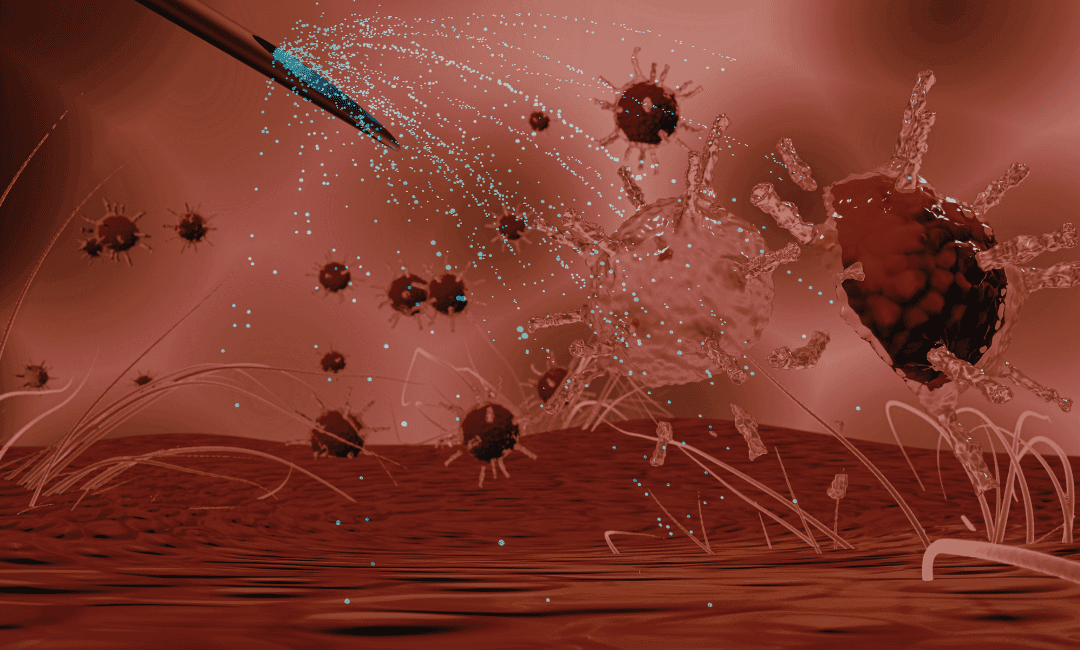
To put that in perspective: a nanometre is one-billionth of a metre. These particles are tens of thousands of times smaller than a human cell.
At this scale, materials behave differently. They can:
- •Slip through biological barriers that larger molecules cannot
- •Accumulate inside tumour tissue through the Enhanced Permeability and Retention (EPR) effect
- •Release their drug payload only once inside the right environment, such as the acidic interior of a cancer cell
How does nanotechnology work in cancer treatment?
Nanoparticles act as precision delivery vehicles. They can find a tumour, release treatment directly into it, and even help doctors track exactly where the drug is going. This concept, combining diagnosis and therapy in a single particle, is called nanotheranostics.
This marks a significant departure from treatments that affect the whole body. Cancer diagnostics and therapies powered by nanotechnology are about treating your specific cancer.
Applications of nanotechnology in cancer treatment
The applications of nanotechnology in cancer treatment fall into three areas:
1. Detection: Nanotechnology in cancer diagnosis enables nano-based tools to find cancer biomarkers in blood at sensitivity levels that conventional cancer screening test approaches cannot match.
Cancer detection nanotechnology is also advancing in imaging, with engineered nanoparticles making tumours visible in MRI and PET scans right down to the individual cell level during surgery.
2. Delivery: Nanoparticles carry drugs through the bloodstream and release them only inside tumour tissue - sparing healthy cells entirely.
3. Treatment: Targeted therapy using nanoparticles binds to proteins found exclusively on cancer cell surfaces, making treatment precise in a way that was previously not possible.
Targeted drug delivery systems
Traditional chemotherapy sends toxic drugs throughout the entire body. The cancer gets hit, but so does everything else. That's why the side effects can be so brutal.
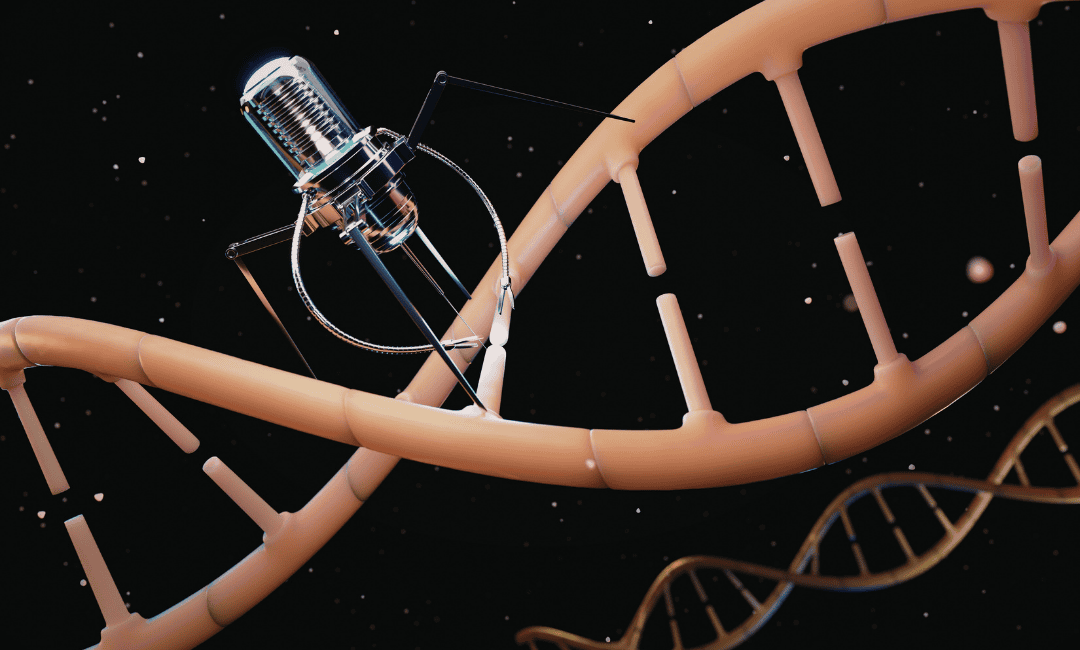
Nanoparticle-based delivery works differently. The drug travels inside a nanoparticle carrier, circulates through the body, and releases its payload only when it reaches the tumour environment.
Advantages and benefits of nanotechnology in cancer treatment
The benefits of nanotechnology in cancer treatment translate directly into a better experience for patients going through treatment.
The advantages of nanotechnology in cancer treatment include:
- Precision targeting: Nanoparticles bind to cancer cells specifically, causing far less damage to healthy tissue than conventional hormonal therapy or systemic treatments.
- Reduced side effects: Localised drug delivery means significantly less nausea, immune suppression, and organ damage.
- Overcoming drug resistance: Nanoparticles can bypass the defence mechanisms cancer cells build against drugs over time.
- Earlier detection: Nano-based diagnostics catch cancers at stages where conventional imaging shows nothing at all.
- Enhanced immunotherapy: Nanoparticles are proving to be powerful vehicles for activating the immune system's own cancer-fighting cells.
Risks of nanotechnology in cancer treatment
The side effects of nanotechnology cancer treatment are generally far milder than traditional approaches. However, as with any treatment, they vary by patient and method. Always discuss your specific situation with your clinical team.
Cancer nanotechnology methods and protocols
Different cancers call for different tools. Cancer nanotechnology methods and protocols are chosen based on tumour type, location, and the patient's individual biology - a hallmark of interventional oncology today.
Below is a simplified overview of the main platforms in use or active development:
| Platform | Mechanism | Cancer types | Status |
|---|---|---|---|
| Liposomes | Encapsulate drugs; merge with cell membranes | Breast, ovarian, lung | FDA-approved |
| Polymeric Nanoparticles | Gradual drug release inside tumour tissue | Solid tumours | Clinical trials & approved |
| Gold nanoparticles | Heat generation via light to destroy tumour cells | Skin, prostate, brain | Early trials |
| Iron oxide nanoparticles | Heat under magnetic fields; MRI contrast agents | Brain, breast | Clinical trials |
| Spherical nucleic acid | DNA/RNA-coated cores for immune pathway activation | Glioblastoma, melanoma | Pre-clinical (2025) |
| Lipid nanoparticles (LNPs) | Deliver mRNA therapeutics and cancer vaccines | Multiple cancers | Clinical trials and approved |
| Dendrimers | Precise drug and gene delivery | Leukaemia, solid tumours | Pre-clinical and clinical |
| Carbon nanotubes | Drug delivery and thermal therapy | Lung, liver | Pre-clinical |
Matching the right platform to the right patient is the central goal of precision oncology. Cancer nanotechnology is making that possible with a level of specificity medicine has never had before.
The cancer nanotechnology impact factor in published research has grown substantially year-on-year, reflecting just how seriously the global scientific community is prioritising this field.
Latest nanotechnology cancer research and advances
Latest nanotechnology cancer research has produced results that go well beyond incremental progress.
Here is what the evidence shows.
1. Chemotherapy drug made 20,000 times more powerful
Institution: Northwestern University
Published: November 2025
Study: Researchers took 5-fluorouracil (5-FU), a decades-old chemotherapy drug known for poor efficiency and harsh side effects, and re-engineered it using spherical nucleic acid nanotechnology.
Result: The reformulated drug was approximately 20,000 times more potent in animal models. Tumour growth was halted. Systemic side effects were dramatically reduced.
This shows that nanotechnology in cancer treatment doesn't only mean new drugs. It can transform treatments we already have into something far more powerful and far easier for patients to tolerate.
2. Nasal drops that defeat brain tumours
Institution: Washington University School of Medicine and Northwestern University
Published: November 2025
Study: Glioblastoma, one of the deadliest brain cancers, suppresses the body's immune response, making it extremely difficult to treat. Researchers designed gold-core spherical nucleic acids delivered through simple nasal drops.
These particles travelled from the nasal passage directly to the brain via nerve pathways, activating the STING immune pathway inside tumour cells.
Result: When combined with T-cell activating drugs, tumours were eliminated in mice with just one or two doses. Long-lasting immunity against recurrence was also observed.
Reaching the brain without invasive surgery has been one of oncology's greatest challenges. This marks the first time nanoscale therapeutics delivered nasally have successfully activated immune responses inside a brain tumour.
It is a critical step toward clinical application of nanotechnology in cancer treatment.
3. Iron nanomaterial that destroys cancer from within
Institution: Oregon State University
Published: March 2026
Study: Researchers engineered a structured iron-based nanomaterial that, once inside a cancer cell, triggers two simultaneous chemical reactions. This overwhelms the cell with oxidative stress by generating hydroxyl radicals and singlet oxygen.
The approach is known as chemodynamic therapy (CDT), and it exploits the naturally higher acidity and hydrogen peroxide levels found inside tumour cells.
Result: Cancer cells were destroyed from within. Surrounding healthy tissue was left completely unharmed.
This is nanotechnology to cure cancer by using the tumour's own biology against it - a genuinely novel mechanism with no equivalent in conventional treatment.
4. AI + cancer nanotechnology: Designing smarter nano-drugs
Institutions: Multiple - reviewed in PMC (2025) and ACS Biomaterials Science & Engineering (2026)
Study: Artificial intelligence is now being integrated directly into the design of nanoparticles for cancer treatment.
Machine learning models predict how nanoparticles will behave inside the body, optimise their size and shape for specific tumour types, and identify the most effective drug formulations - far faster than traditional laboratory methods.
Result: A 2025 analysis of 45 preclinical studies found that AI-optimised lipid nanoparticles improved tumour accumulation by up to 89% in melanoma and glioblastoma models, while reducing off-target accumulation in the liver to under 5%.
The convergence of AI and nanotechnology in cancer treatment is compressing drug development timelines significantly. Treatments that might have taken a decade to develop could reach clinical trials in a fraction of that time.
A turning point in cancer care
Nanotechnology and cancer have moved well past the realm of possibility. The research presented here reflects a field that is delivering real, measurable results.
Side effects are being reduced. Drugs are becoming more powerful. Cancers are being caught earlier. And AI is beginning to accelerate all of it.
If you or a loved one is navigating a cancer diagnosis, speak to your oncology doctor about whether any nanomedicine-based treatments or clinical trials are relevant to your case. The options available today are genuinely broader than they were even two years ago, and they will only continue to grow.
FAQs
Not entirely, cancer treatment using nanotechnology currently works alongside chemotherapy rather than replacing it. Some nano-drugs are already FDA-approved as alternatives to traditional formulations. A full replacement would require considerably more clinical evidence.
Related Blogs
Insights5 min read
Muh Ke Cancer Ke Lakshan (मुंह के कैंसर लक्षण): कैसे पहचानें?
Dr. Vrundali Kannoth