

+918929672099
Call Us
Role of Probiotics in Supporting Gut Health During Cancer Treatment
Dr. Vrundali Kannoth|5 min read|
A cancer diagnosis changes the way the body feels from the inside out. Treatment often disturbs digestion, weakens immunity, and leaves the gut feeling unsettled. This is where the link between probiotics and cancer becomes worth understanding.
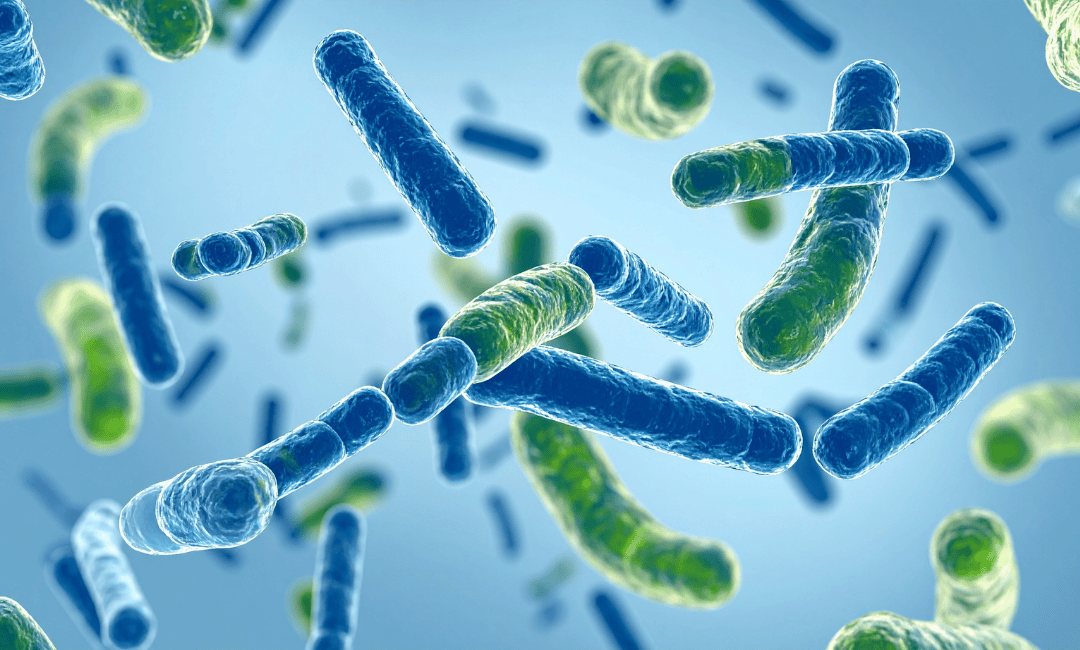
Probiotics are friendly bacteria that help restore balance to the gut, support immunity, and ease some of the side effects of treatment.
A 2025 review found that the gut's secretory IgA is not simply a defense molecule. It actively and continuously reshapes the intestinal microbiota, making the intestinal wall a two-way regulator of immune-microbial balance.
Nurturing this region during cancer care is, thus, very important. This article explains what probiotics are, how the relationship between probiotics and cancer recovery is being studied, and the precautions every patient and caregiver should know.
What are probiotics?
Probiotics are live microorganisms that, when taken in adequate amounts, offer health benefits, mainly by supporting the balance of bacteria in the gut.
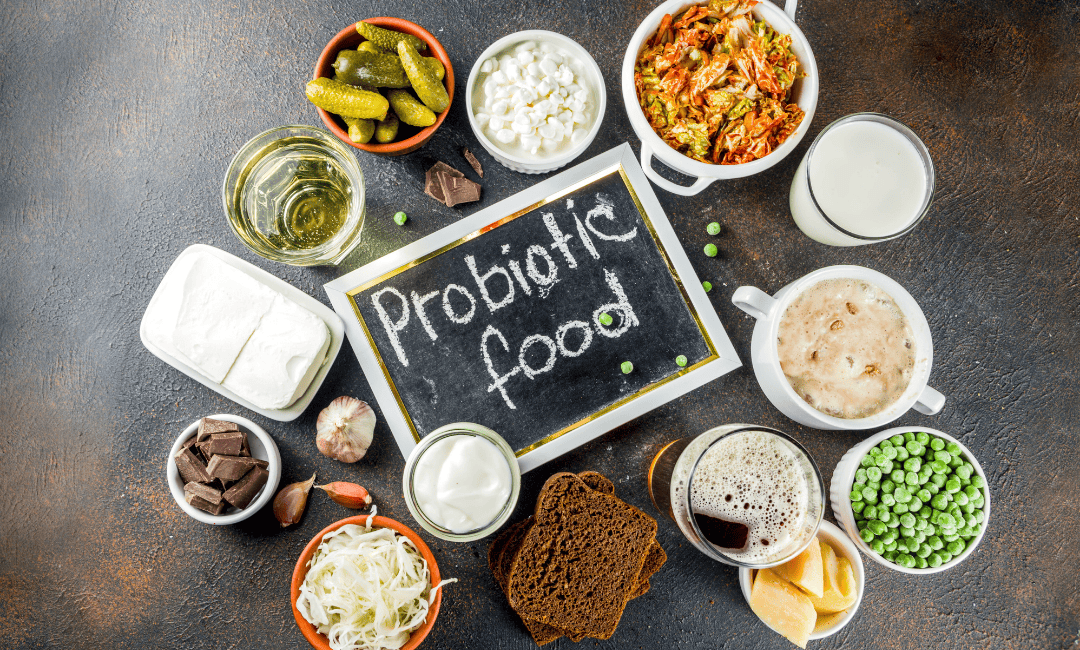
They occur naturally in fermented foods like yoghurt, idli, dosa, and lassi, and are also available as supplements. Most belong to bacterial families such as Lactobacillus and Bifidobacterium, with some yeasts like Saccharomyces boulardii playing a similar supportive role.
Beneficial bacteria support the digestive system in several specific ways:
- They help break down food and improve the absorption of nutrients, which matters when appetite is already low.
- They produce short-chain fatty acids that nourish the cells lining the gut.
- They crowd out harmful bacteria, lowering the risk of infection and inflammation.
- They support regular bowel movements, easing both constipation and diarrhoea.
- They communicate with the immune system, helping it respond more measurably.
Why gut health matters during cancer treatment
Chemotherapy, radiotherapy, and certain immunotherapies travel through the whole body, and the gut, with its fast-growing cells, often takes the brunt. Looking after gut health is closely tied to how well treatment is tolerated and how steadily recovery progresses.
This is where probiotics and cancer support become a practical layer of care:
How cancer treatments affect digestion
Chemotherapy can damage the rapidly dividing cells lining the digestive tract, leading to nausea, mouth sores, diarrhoea, or constipation. Radiotherapy to the abdomen or pelvis can inflame the bowel, sometimes for weeks after sessions end.
These effects are common and manageable. Following a thoughtful diet for cancer patients alongside medical guidance can soften many of these symptoms.
How treatment alters immunity
A large share of the immune system lives in and around the gut. When the gut lining is disturbed, the immune system loses one of its steadiest sources of regulation.

This is part of why infections become a greater concern during treatment, and why probiotics in cancer care are being studied so actively. The conversation around probiotic usage outcomes often returns to this gut-immunity link.
The shift in gut microbiome
Antibiotics, which are often prescribed alongside cancer treatment, can sharply reduce the diversity of gut bacteria.
Treatment adds to this shift. The result is sometimes called dysbiosis, an imbalance that can prolong digestive symptoms and leave patients feeling more fatigued than the treatment would explain.
3 benefits of probiotics for cancer patients
There is growing interest in probiotics benefits in cancer treatment. Research on probiotics and cancer support is still developing, but several benefits are now well-documented to discuss openly with an oncologist.

The benefits cluster around digestion, immunity, and overall well-being rather than acting directly on the cancer itself:
1. Easing chemotherapy-related diarrhoea
Diarrhoea is one of the most common reasons treatment becomes difficult to tolerate. A 2022 review and meta-analysis in Frontiers in Nutrition found that oral probiotics reduced the risk of chemotherapy-induced diarrhoea and roughly halved the risk of moderate-to-severe diarrhoea.
That reduction can mean fewer interruptions to treatment and a meaningful improvement in day-to-day comfort.
2. Reducing the severity of oral mucositis
Mouth and gut sores, known as mucositis, can make eating, swallowing, and even speaking painful during certain chemotherapy and radiotherapy regimens.
The same Frontiers in Nutrition meta-analysis found that probiotics reduced all-grade oral mucositis and severe mucositis. A separate 2024 meta-analysis focused on head and neck cancer reported a similar reduction in severe mucositis.
For patients on treatments that frequently cause mucositis, this kind of reduction can preserve nutrition and protect quality of life through the harder weeks of care.
3. Facilitating immune support
The relationship between probiotics and the immune system is one of the more closely studied areas in supportive oncology. The table below outlines this connection:
| Area of support | What probiotics may do | What patients often notice |
|---|---|---|
| Infection risk | Help crowd out harmful bacteria in the gut and support immune cell activity | Fewer episodes of gut-related infection during treatment cycles |
| Inflammation | Reduce inflammatory markers in the digestive tract | Less abdominal discomfort, bloating, and cramping |
| Diarrhoea management | Restore microbial balance disturbed by chemotherapy or antibiotics | Firmer, more predictable bowel movements |
| Mucositis (mouth and gut sores) | Protect the lining of the digestive tract | Less pain when eating and swallowing |
| Overall immune resilience | Communicate with immune cells through the gut lining | A steadier sense of energy and fewer minor illnesses |
Probiotics in cancer prevention and treatment
The conversation around probiotics in cancer treatment has broadened in recent years, moving from purely symptom management to questions about prevention.

Probiotics are not a substitute for treatment, but they are increasingly recognised as a meaningful part of supportive care. Here is what you should know:
Probiotics and cancer prevention
The idea behind probiotics and cancer prevention rests on the role of the gut microbiome in regulating inflammation and processing dietary compounds.
Chronic inflammation is a known contributor to several cancers, particularly colorectal cancer. Maintaining microbial diversity through fermented foods and selected probiotic strains may lower long-term inflammation over time.
This is one reason that researchers continue to study how the gut microbiome shapes long-term cancer risk alongside broader work on nutrition and cancer.
Supportive role during active treatment
During active care, probiotics cancer support tends to focus on reducing the severity of digestive side effects, protecting the gut lining, and helping the body absorb nutrients.
Probiotics support a healthier gut microbiome, which can improve responses to certain immunotherapies. The link between probiotics and cancer therapy response is one of the more promising threads in current research.
Recovery and beyond
After treatment, probiotics cancer treatment support shifts to longer-term recovery. Patients often find that careful attention to probiotics cancer support during this period eases lingering fatigue and digestive sensitivity.

Long-term thinking about probiotics in cancer treatment also means recognising that recovery is gradual and that small, steady habits tend to outperform sudden changes.
Sustained focus on probiotics cancer treatment support after the final chemotherapy session can make the months that follow noticeably easier.
Types of probiotic supplements for cancer patients
Different probiotic strains do different things. Choosing well is part of getting the most out of probiotics support. The table below outlines strains most commonly discussed in supportive oncology:
| Probiotic strain | Commonly used for | Notes for cancer care |
|---|---|---|
| Lactobacillus rhamnosus GG | Reducing chemotherapy-related diarrhoea | One of the most studied strains in oncology support |
| Lactobacillus acidophilus | General gut balance, lactose digestion | Often combined with other strains in supplements |
| Bifidobacterium bifidum | Supporting immune regulation, easing constipation | Naturally present in a healthy gut |
| Bifidobacterium longum | Reducing inflammation, supporting mood | Helpful during long treatment courses |
| Saccharomyces boulardii | Managing antibiotic-associated diarrhoea | A yeast, not a bacterium; used cautiously in immunocompromised patients |
| Lactobacillus casei | Supporting bowel regularity and immune function | Found in many fermented dairy products |
| Multi-strain blends | Broad gut support | Useful when multiple symptoms overlap |
Approaching probiotics during and after cancer treatment
Probiotics and cancer care go hand in hand, alongside rest, hydration, and balanced meals. They offer a gentle way to help the body feel a little more settled while it does the harder work of recovery.
The transition into life after treatment is another moment when probiotics and cancer recovery often come up. A thoughtful diet after chemotherapy can help the gut recover its diversity over the following months.
Conversations about food, digestion, and supplements should feel as normal as any other part of cancer care.
At Everhope Oncology, the oncologists can help patients build a gut-health plan that fits the treatment, the body, and the day-to-day rhythm of life during recovery.
FAQs
Several studies on probiotics for cancer care suggest that probiotics can reduce the severity of chemotherapy-induced diarrhoea and support gut comfort. They should be introduced only after a conversation with the treating oncologist, as timing and strain selection depend on the specific regimen.
Related Blogs
Insights5 min read
Muh Ke Cancer Ke Lakshan (मुंह के कैंसर लक्षण): कैसे पहचानें?
Dr. Vrundali Kannoth