Education5 min read
Vitamin B1 Thiamine Supplements: Nerve Function & Cancer Recovery Support
Dr. Vrundali Kannoth

Cancer patients and caregivers are often faced with a simple question: Can antioxidant supplements support health during cancer care?
It’s an understandable concern, as cancer treatment can feel physically demanding, and you’re seeking ways to improve strength, immune system and cancer, and recovery.
While antioxidants are important for the body, supplements are not as risk-free as antioxidant-rich foods.
High-dose tablets, capsules, and powders can act differently, especially during chemotherapy or radiation therapy. Some may even worsen the outcome of treatment.
In this guide, we’ll explain what are antioxidant supplements, their types, possible benefits, and cancer-related safety concerns. We’ll also discuss the best time to take antioxidant supplement products.
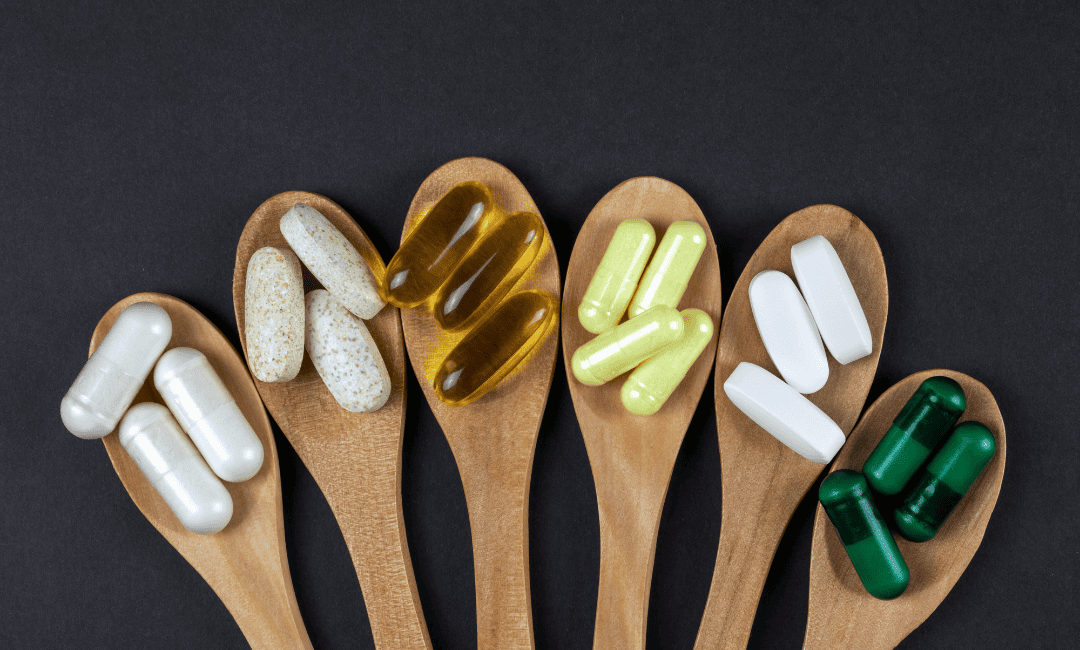
When antioxidants are isolated, concentrated, and manufactured into pills, capsules, or powders, they become antioxidant supplements.
Normal body processes like breathing, exercise, and fighting infections create reactive molecules called free radicals. Pollution, cigarette smoke, and radiation can also increase them.
Free radicals try to stabilise themselves by taking electrons from nearby healthy molecules. When they build up, they may damage cell membranes, proteins, and DNA over time.
Antioxidants help by safely donating an electron to neutralise free radicals and stop this chain reaction. Your body makes some antioxidants, but also gets them from food and antioxidant supplements.
There are diverse types of antioxidant supplements available, and they function differently based on whether they dissolve in water or fat. Here are a few supplements you might see:
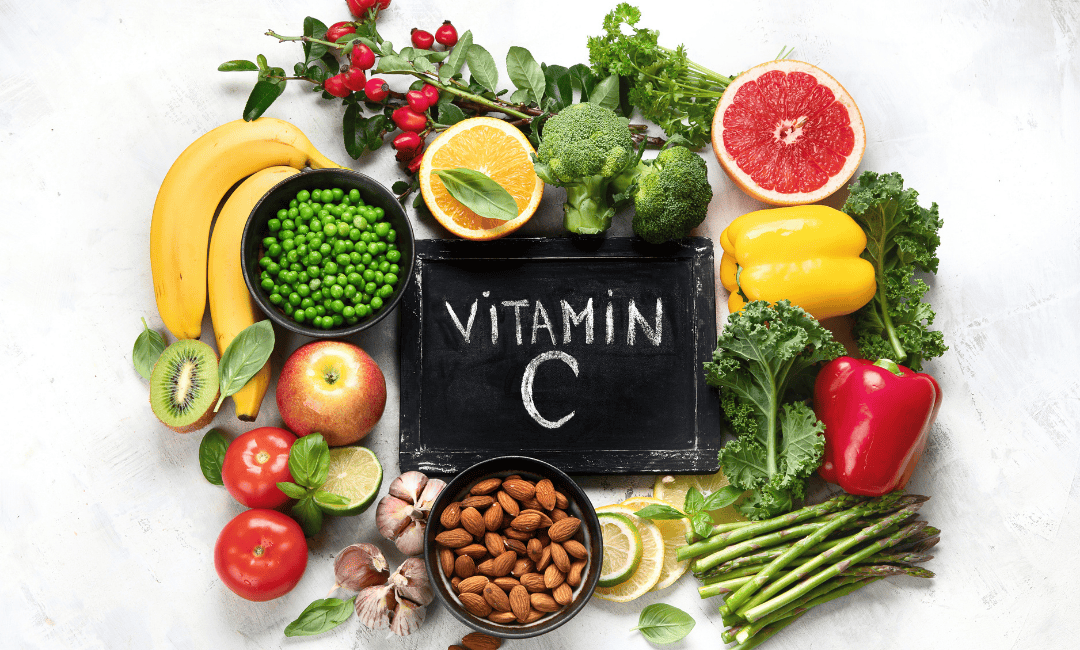
These work with fluids in your body. The most common is Vitamin C (ascorbic acid), which neutralises free radicals and helps recycle Vitamin E back into its active, antioxidant form.
Because the body does not store water-soluble vitamins, extra amounts are typically flushed out in urine.
These travel through cell membranes and fatty tissues.
Minerals like selenium, zinc, copper, and manganese do not neutralise free radicals directly. Instead, they act as essential building blocks for the body’s own antioxidant enzymes.
This group includes plant-based compounds like polyphenols, green tea extracts, and coenzyme Q10 (CoQ10). Many people also use an antioxidant powder supplement or liquid concentrate.
While concentrated powders can deliver very high doses rapidly, they can put extra pressure on the liver.
When used appropriately with documented nutrient deficiencies, there are distinct antioxidant supplements health benefits.
However, clinical research shows these effects depend heavily on your baseline health and don’t necessarily help cancer cells any more than normal cells.
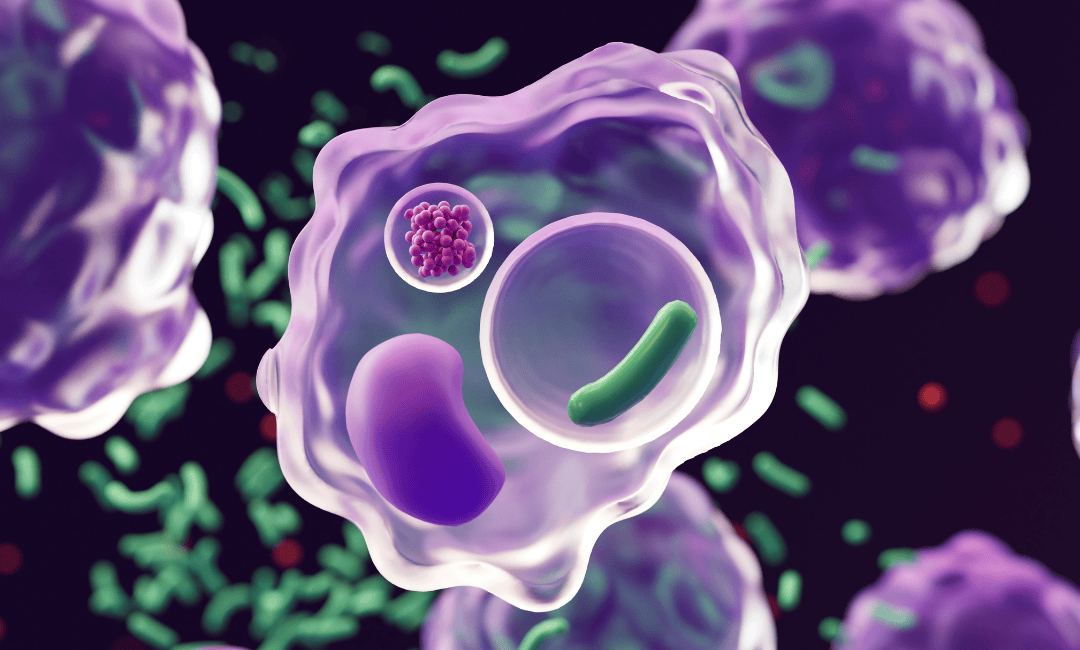
During an infection, immune cells create a burst of free radicals to destroy invading bacteria or viruses. While necessary, this process can cause minor collateral damage to the immune cells.
Supplements like Vitamin C and beta-carotene can help protect these immune cells, supporting their normal function and deployment during inflammation.
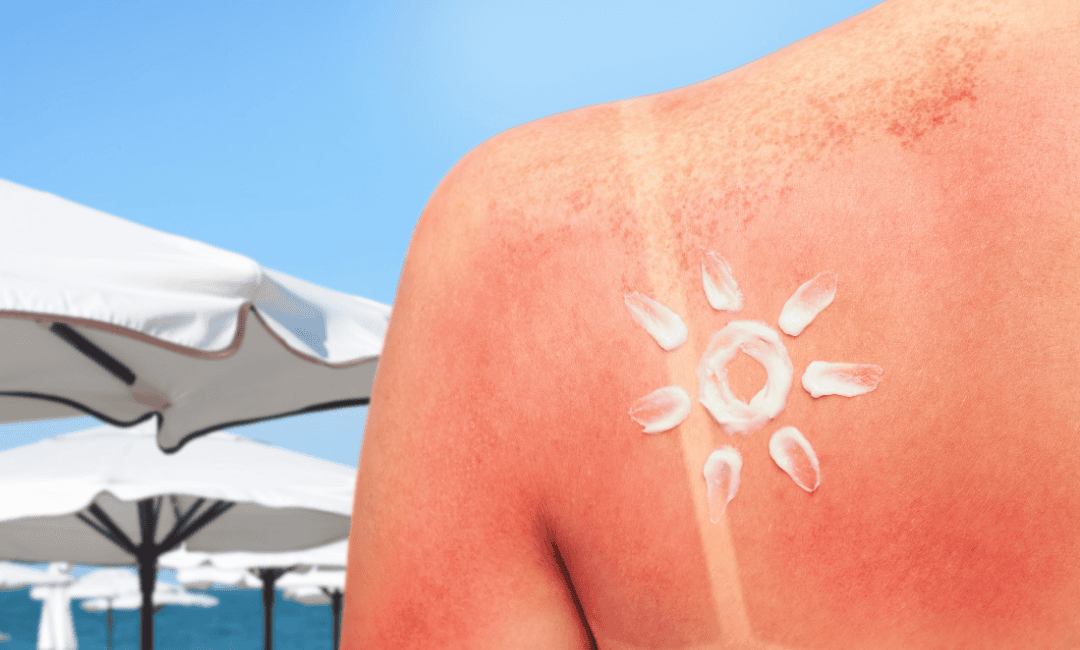
The skin experiences oxidative stress from daily ultraviolet (UV) exposure from the sun, which degrades collagen and leads to premature ageing.
Oral mixtures of collagen peptides and polyphenol-rich plant extracts can support skin elasticity and slightly improve the skin's natural tolerance to UV exposure.
Antioxidants are frequently marketed as detox tools for liver health. But large clinical reviews found that high-dose antioxidant supplements did not lower mortality in people with liver disease.
In fact, high doses of isolated antioxidants were found to increase blood levels of GGT, a marker indicating liver stress. This suggests that large, concentrated doses can place an unnecessary metabolic burden on liver cells.
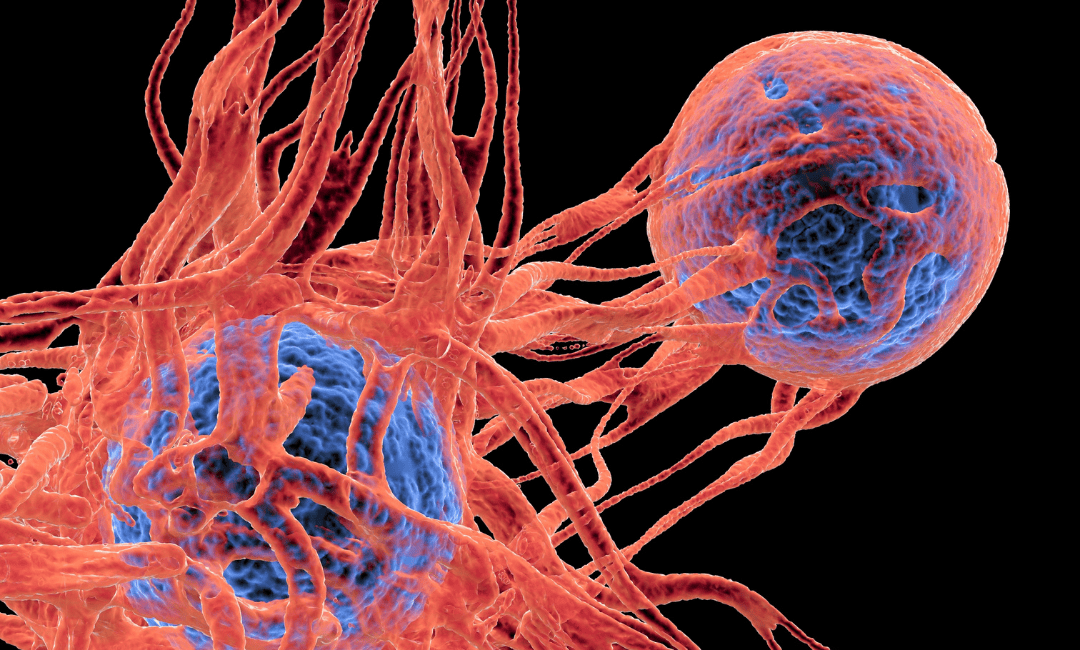
The connection between antioxidant supplements and oxidative stress cancer is one of the most critical areas of modern oncology. There is a vast difference between eating antioxidant-rich foods and taking high-dose supplements during cancer treatment.
Historically, scientists hoped that giving healthy people high-dose antioxidants would prevent cancer by stopping cell damage. However, major clinical trials failed to establish that.
The primary concern regarding antioxidant supplements cancer support is how they interact with active treatments.
| Treatment type | How it works | Impact of high-dose antioxidant supplement |
|---|---|---|
| Radiation therapy | Generates free radicals to cause fatal breaks in cancer cell DNA | May neutralise free radicals, protecting cancer cells from destruction |
| Chemotherapy (e.g., Cisplatin, Doxorubicin) | Utilises oxidative stress to trigger cell death in fast-growing tumours | Can shield tumour mitochondria, potentially reducing treatment success |
Interestingly, taking a standard, low-dose multivitamin did not cause this harm, showing that the risk lies in high, isolated doses similar to supplements, rather than basic nutrition and cancer support.
While general advice goes against these supplements during active oncology care, there are specific medical exceptions.
For instance, high-dose Vitamin D antioxidant supplements benefits advanced colorectal cancer cases, helping to reduce severe treatment-induced diarrhoea.
However, because these effects are highly specific to the type of cancer and the exact drugs used, you should never self-prescribe.
If a physician or oncology nutritionist prescribes a supplement to correct a specific deficiency, proper timing and matching are vital for safety and absorption.
The best time to take antioxidant supplement formulas depends entirely on how they dissolve. Fat-soluble vitamins (A, D, and E) need dietary fat to be absorbed properly by the gut.
Taking Vitamin D with a meal containing healthy fats (like nuts, olive oil, or dairy) increases its absorption by over 30%.
Water-soluble options, like Vitamin C, dissolve easily in water and are typically absorbed well on an empty stomach or with a light meal.
Important nutrient pairs:
To prevent nutrients from competing with one another, keep high doses of minerals separate. For example, calcium can block the absorption of iron and magnesium, so they should be taken at different meals.
Additionally, fibre supplements should be taken at least two hours apart from any vitamins or medications, as fibre can bind to them in the stomach and reduce their absorption.
A common question we get is, "Do antioxidant supplements work safely?”

While naturally occurring antioxidants in foods are safe and encouraged, supplementation in high doses can cause a pro-oxidant shift.
At very high levels, isolated antioxidants can change their chemical behaviour and actually create more free radicals.
There are several documented side effects of antioxidant supplements when taken in excess:
| Supplement/medication class | Dosage or interacting supplement | Possible risk |
|---|---|---|
| Vitamin E | Above 400 IU/day | May interfere with blood clotting and increase bleeding risk |
| Vitamin C | Above 2,000 mg/day | May cause cramps and osmotic diarrhoea |
| Zinc | Above 40 mg/day long term | May reduce copper absorption, leading to copper deficiency and anaemia |
| Warfarin/blood thinners | High-dose vitamin E | Higher bleeding risk |
| Statins/cholesterol medicines | Vitamins C, E, beta-carotene, selenium | May blunt the rise in protective HDL cholesterol seen with some lipid-lowering therapy |
| Chemotherapy | High-dose antioxidant supplements | May reduce treatment-related tumour cell damage in some cases |
| Chemotherapy | St. John’s Wort | May speed up liver clearance of some chemotherapy drugs |
The medical understanding of antioxidant supplements has shifted from a simple health trend to a highly precise branch of nutritional science.
While getting natural antioxidants from a balanced diet is safe and highly recommended, high-dose isolated supplements carry real risks, particularly during active cancer care.
Everhope offers expert-led cancer care to help you understand your diagnosis and treatment options clearly. If you are unsure about nutrition and cancer, side effects, or supplementary care, our multidisciplinary team can support you with specialist medical consultations and personalised oncology nutrition guidance.