Education5 min read
Vitamin B1 Thiamine Supplements: Nerve Function & Cancer Recovery Support
Dr. Vrundali Kannoth

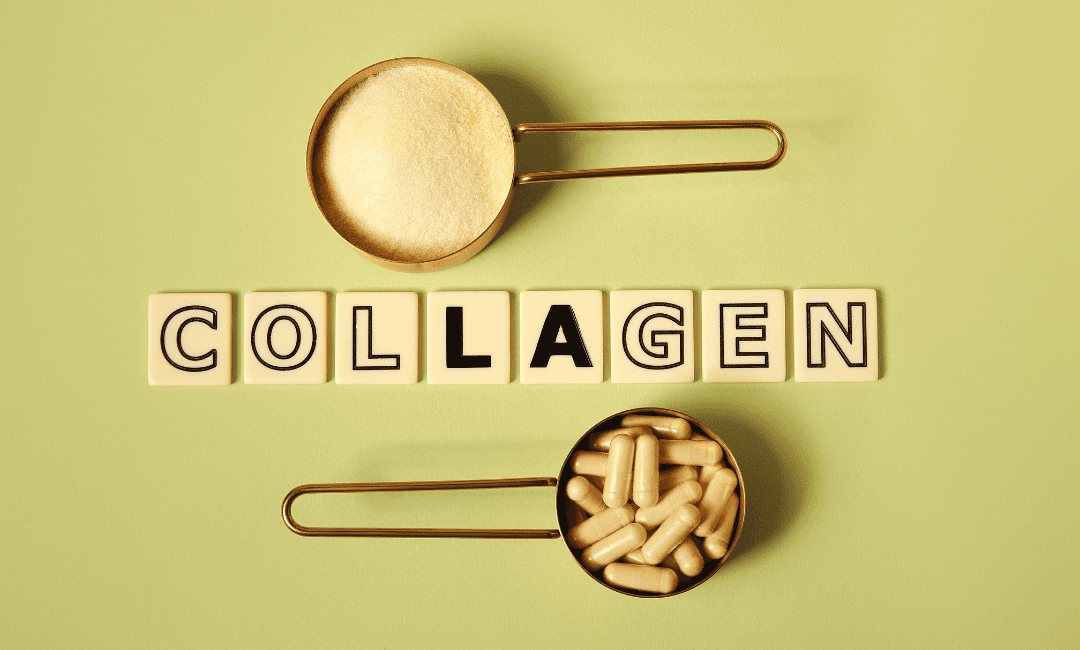
A cancer diagnosis is frightening and brings many concerns, especially about nutrition and cancer, and daily wellness during treatment. Patients and families often look for ways to support physical strength, comfort, and overall well-being during this time.
In exploring different ways to support health during treatment, many people come across supplements like collagen.
This naturally raises an important question: What are collagen supplement uses during cancer care, and what role, if any, do they play in patient wellness?
While these products are widely known for everyday skin and joint health, their role during cancer care requires careful consideration.
In this guide, we’ll cover what you need to know all about collagen supplements, the general health benefits, and how they relate to cancer care and diet after chemotherapy.
Collagen is the primary structural scaffold of the human body, making up about 30% of our total protein. It provides the architectural foundation for skin, bones, cartilage, tendons, and ligaments.
To comprehend the collagen supplement meaning and how your body naturally creates this protein, we need to understand the mechanism.
The body makes its own collagen through a process inside fibroblast cells. This process relies on Vitamin C as an essential helper to stabilise the structure. Without enough Vitamin C, it might lead to weaker tissues.
As you age, natural collagen production slowly drops. This decline can speed up with raised stress levels, poor diet, or cancer, leading to thinner skin and stiffer joints.
Raw collagen derived from animal tissues is a rigid, heavy protein that the human body cannot easily absorb. To fix this, manufacturers turn the heavy protein into small, water-soluble pieces known as hydrolysed collagen peptides.
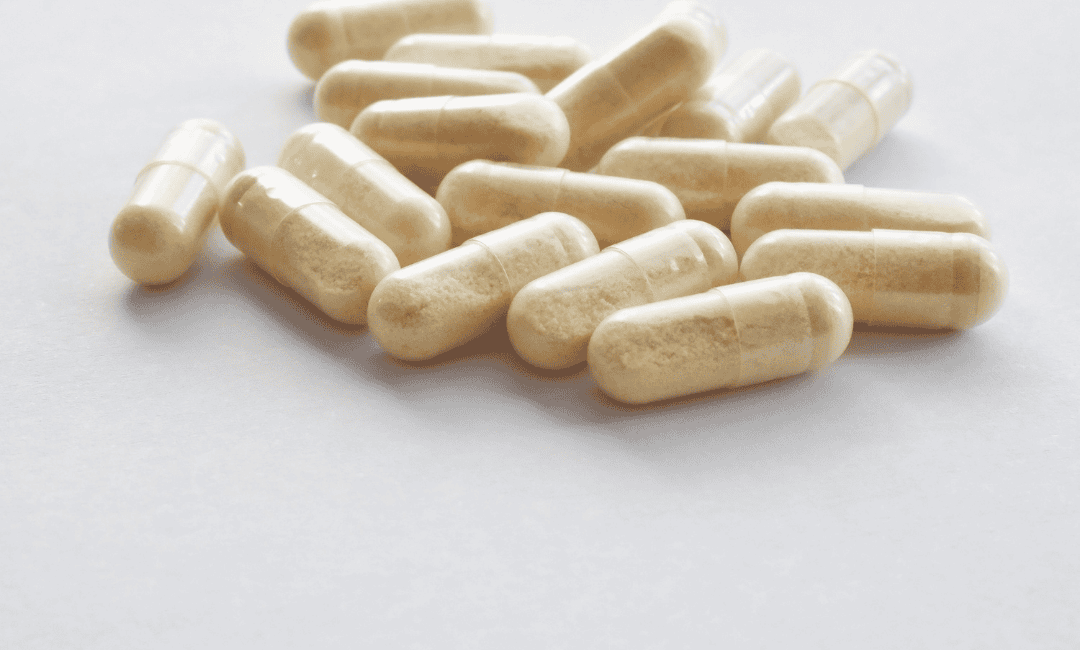
Understanding the different types of collagen supplements is key to finding the right product.
When looking at how to choose collagen supplement options, you’ll find that the primary types have different daily doses, absorption speeds, and formulation styles.
The most popular among delivery options is collagen supplements powder, which represents a common standard for high-dose use required.
Because dry powders do not need water, they are highly stable and have a long shelf life. These ultra-fine powders dissolve easily into both hot and cold liquids.
In addition to the powder form, here are a few more different delivery forms compared:
| Delivery format | Average dose per serving | Relative absorption rate | Main features |
|---|---|---|---|
| Collagen powder | High (10,000 to 13,000 mg) | Moderate | Usually pure, free of additives, easy to mix into food |
| Liquid collagen | Moderate (5,000 to 8,000 mg) | Rapid | Pre-dissolved but contains flavours and preservatives |
| Collagen tablets | Moderate (1,000 to 5,000 mg) | Slower | Compressed powder that can sometimes be difficult to swallow |
| Collagen gummies | Extremely Low (100 mg) | Slower | Often highly processed with added sugars or flavourings |
When used for general health and ageing, the collagen supplements benefits target several areas of the body.
Yes, they do, but their involvement in cancer care is still under review.
A large review published in 2026 confirmed that taking collagen daily over several months leads to reliable improvements in skin hydration.
However, the study also cleared up a few common myths. It found that collagen is not a rapid anti-wrinkle quick-fix, nor does it instantly fix acute muscle soreness after heavy exercise.
Instead, it acts slowly as a foundational support for deeper structural tissues over time.

Because of how natural collagen behaves in the body, the impact of it on cancer treatment can vary based on the specific type and location of the cancer:
Breast cancers are characterised by highly dense Type I and Type IV collagen, which have been linked to more aggressive tumour behaviour. However, Type III collagen has tumour-restrictive effects in some laboratory and preclinical models.
Pancreatic tumours also often contain a dense collagen-rich stroma. Some pancreatic cancer cells can produce abnormal collagen structures that may help shield the tumour from immune cells and reduce treatment effectiveness.
A dense, cross-linked collagen matrix can limit how well drugs and immune cells move through tumour tissue. This may contribute to resistance to chemotherapy or immunotherapy in some cancers.
Because of these biological complexities, oncology experts advise patients not to take over-the-counter collagen supplements cancer treatment.
However, some of the specialised collagen supplements can help patients with severe weight loss, muscle wasting, cancer fatigue, poor appetite, nausea, or difficulty meeting protein needs.
For general wellness and structural support, collagen supplement dosage depends on the main goal, the type of collagen used, and individual health needs.
| Goal | Common collagen type | Suggested daily dosage |
|---|---|---|
| For skin moisture, firmness, and texture support | Hydrolysed collagen peptides | 2.5–10 g daily |
| Joint comfort | Hydrolysed collagen peptides | 5–10 g daily |
| Performance improvement during resistance training | Hydrolysed collagen peptides | 5–15 g daily |
| Support for hydrolysed collagen | Undenatured Type II collagen | 40 mg daily |
The exact time of day is not critical. Collagen is a protein, and your stomach can digest it regardless of cancer and food habits. What matters most is taking it consistently.
If you are pregnant, breastfeeding, or undergoing cancer treatment, check with your healthcare professional before starting collagen supplements.
For most healthy individuals, oral collagen is highly safe, but understanding potential collagen supplement side effects and limitations is important.

Oral collagen supplements provide a well-studied, bioavailable way to support skin elasticity, joint comfort, and tissue hydration, making them one of the key collagen supplement uses as the body ages. However, they work gradually as foundational building blocks rather than instant fixes.
If you need clarity on your care plan, diet, or supportive options, Everhope’s multidisciplinary team can guide you with specialist oncology consultations, personalised treatment planning, and dedicated oncology nutrition support.