Nutrition5 min read
Creatine and Glutamine: A Clear Guide for Cancer Nutrition and Recovery
Dr. Vrundali Kannoth

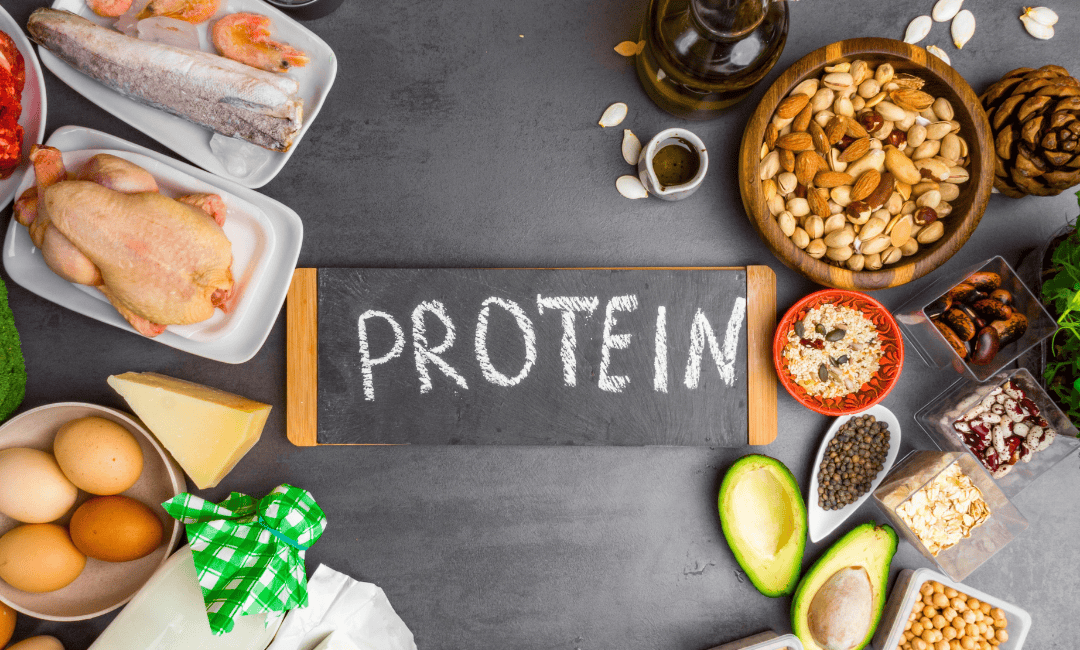
When the body is going through cancer treatment, getting enough protein assimilation becomes one of the most important parts of recovery.
Protein assimilation is the process by which your body breaks down dietary protein, absorbs its amino acids, and puts them to work repairing tissues, sustaining muscle mass, and supporting the immune system.
Nausea, loss of appetite, and digestive changes during treatment can make this process harder.
Research from the PreMiO study found that malnutrition in cancer patients ranges from 25% to over 70%, and 50% to 80% of patients show low lean body mass. This is a key correlate of malnutrition, with impaired protein uptake being a major contributing factor.
This article covers what protein assimilation is, how the body does it, what can get in the way during cancer care, and what can be done to support it.
Protein assimilation is the stage where amino acids, the building blocks released from protein, are absorbed into the bloodstream and carried to cells that need them. Without good protein assimilation, even the most nutrient-rich meal may not deliver the benefit it should.
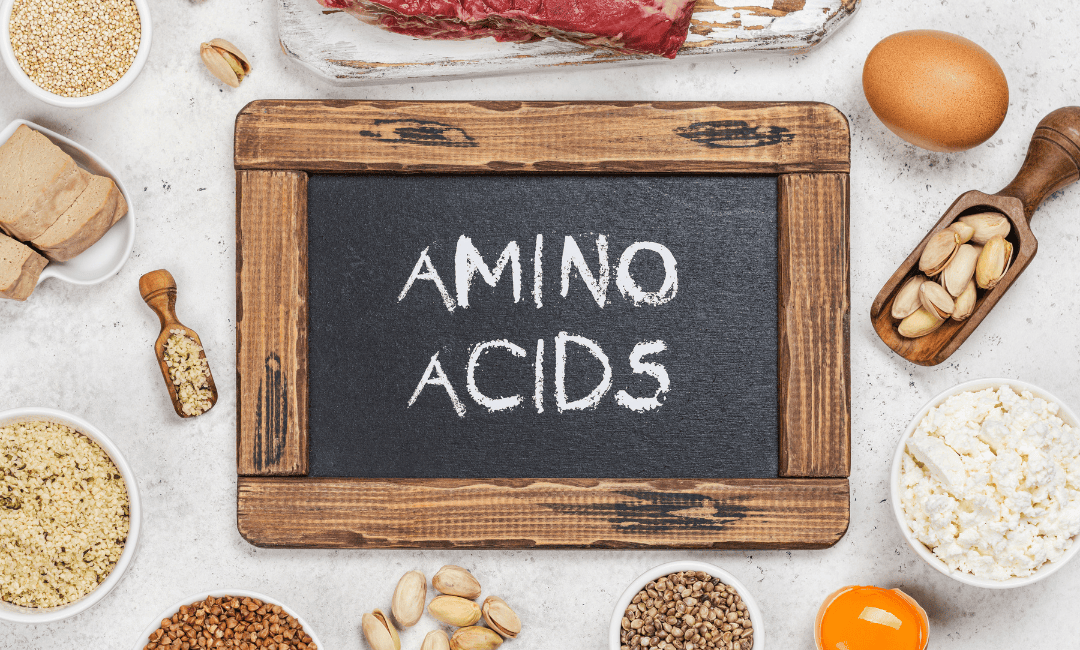
The body's demand for protein rises sharply during cancer treatment, while its ability to absorb and use it can simultaneously decline. For those wondering what is assimilation of protein, knowing this gap is crucial.
Assimilation of protein is important for physical resilience during cancer treatment. When the body cannot effectively use protein, muscles weaken, wounds heal slowly, and treatment tolerance reduces.
The table below outlines how protein assimilation supports different aspects of recovery:
| Area of impact | What protein assimilation supports | Why it matters during treatment |
|---|---|---|
| Muscle maintenance | Rebuilds lean tissue broken down by treatment | Helps patients stay strong enough to continue therapy |
| Immune function | Produces antibodies and immune cells | Reduces risk of infection during immunosuppression |
| Tissue repair | Supports healing after surgery or radiation | Speeds up recovery between treatment cycles |
| Energy and vitality | Amino acids contribute to cellular energy production | Counteracts the deep fatigue common in cancer care |
The assimilation of protein is a sequence of precisely coordinated steps, each building on the last. When any stage is disrupted, the body's ability to use dietary protein is compromised.
Knowing this process can help patients and caregivers make more informed dietary choices:
The first step in protein assimilation involves hydrochloric acid and pepsin breaking protein into smaller fragments called polypeptides.
Without sufficient stomach acid, something that certain medications, stress, and illness can reduce, this process slows considerably.
Polypeptides then move into the small intestine. Here, pancreatic enzymes like trypsin and chymotrypsin continue breaking them into individual amino acids and short peptide chains.
The digestive enzymes involved in this stage can diminish during certain cancer treatments, which makes absorption less efficient.
The lining of the small intestine, covered in tiny finger-like projections called villi, is where amino acids cross into the bloodstream. This is the point in protein assimilation when the body receives what it needs.
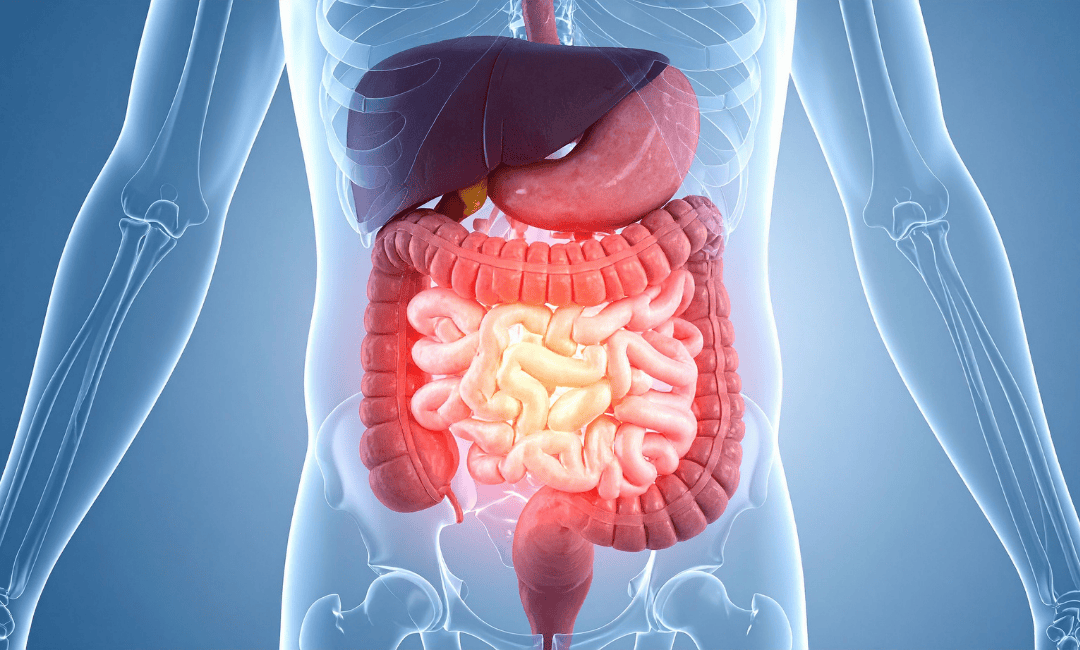
Gut inflammation, which is a common side effect of chemotherapy, can damage these villi and reduce absorption capacity.
Once in the bloodstream, amino acids are transported to muscles, organs, and tissues that need repair or maintenance.
The liver processes certain amino acids before distributing them further. This is where nutrition and cancer intersect most directly, since the body can only use what it successfully receives and transports.
There are practical ways to assimilate protein more effectively, even during treatment.
Small adjustments to eating habits, timing, and food choices can make a meaningful difference to how well the body absorbs what it takes in. Pay attention to these ways:
One of the most effective ways to assimilate protein is to distribute intake evenly.
Research published in the Journal of the International Society of Sports Nutrition shows that muscle protein synthesis is maximized in young adults with an intake of roughly 20-25 grams of a high-quality protein per meal.
Amounts above this threshold are largely oxidized for energy or converted to urea.
Combining protein with foods that are gentle on the digestive system helps the body assimilate protein efficiently.
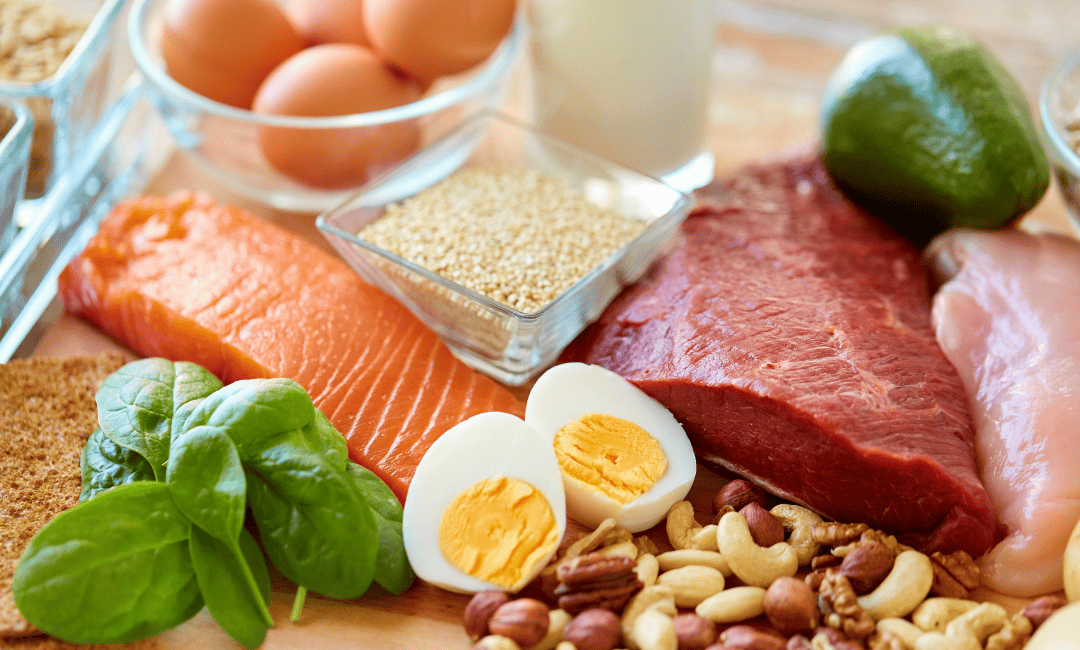
Soft-cooked eggs, moong dal khichdi, steamed fish, paneer with rice, lentil soups, and smoothies with added protein powder tend to be kinder on a sensitive gut.
Avoiding high-fat and high-fibre foods at the same sitting can also help the body assimilate protein better.
Nausea and appetite loss are often most intense in the 24-48 hours after chemotherapy. On better days, when appetite returns, making the most of those windows is important to assimilate protein for cancer.
Prioritising protein-rich foods and a well-tolerated diet for cancer patients during these windows can help compensate for the days when eating is harder.
Adequate hydration facilitates protein assimilation by allowing enzymatic reactions. These break down protein, ensure nutrient transport across the gut wall, and sustain kidney function.
Small, frequent sips throughout the day are often easier than large quantities at once.
Protein assimilation supplements offer a practical way to meet the body's elevated protein needs when food intake is limited or appetite is poor.

During cancer treatment, tolerability and digestibility matter just as much as nutritional content. Choosing the right supplement can help the patient maintain their strength.
The following types of protein supplements have shown particular relevance in oncology nutrition. Each has distinct characteristics that make them suitable across patient cases:
Poor protein assimilation tends to show up in how a person feels day to day, in how their body responds to treatment, and in signs that are easy to dismiss.
Recognising these signals early allows patients and caregivers to act before the situation worsens:
When the body cannot assimilate protein for cancer recovery, it begins breaking down existing muscle to meet its amino acid needs.
This manifests as visible loss of muscle mass in the arms, legs, and face, and a noticeable decrease in physical strength.
Deep, unrelenting tiredness that is not proportionate to activity levels can be a sign that the body is not receiving adequate protein.
When protein assimilation is compromised, energy production at the cellular level suffers.
The immune system relies heavily on proteins to produce antibodies and defend against pathogens.
When assimilation is impaired, the body's ability to heal after procedures and resist infection is noticeably reduced.
Protein assimilation responds to the choices made every day about food, timing, supplements, and support. It extends to continuous muscle rebuilding and restoration of immune function.
Next steps in protein assimilation for cancer include tracking daily protein intake, using easier-to-digest sources, and working with an oncologist who understands the specific demands of cancer treatment.
At Everhope Oncology, oncologists and nutrition specialists work together to support patients through every stage of their cancer journey.