Nutrition5 min read
Creatine and Glutamine: A Clear Guide for Cancer Nutrition and Recovery
Dr. Vrundali Kannoth

Among the most common concerns a cancer diagnosis brings for patients and families is: how to maintain functional strength and weight during treatment.
A personalised diet for cancer patients is key to supporting health during therapy.
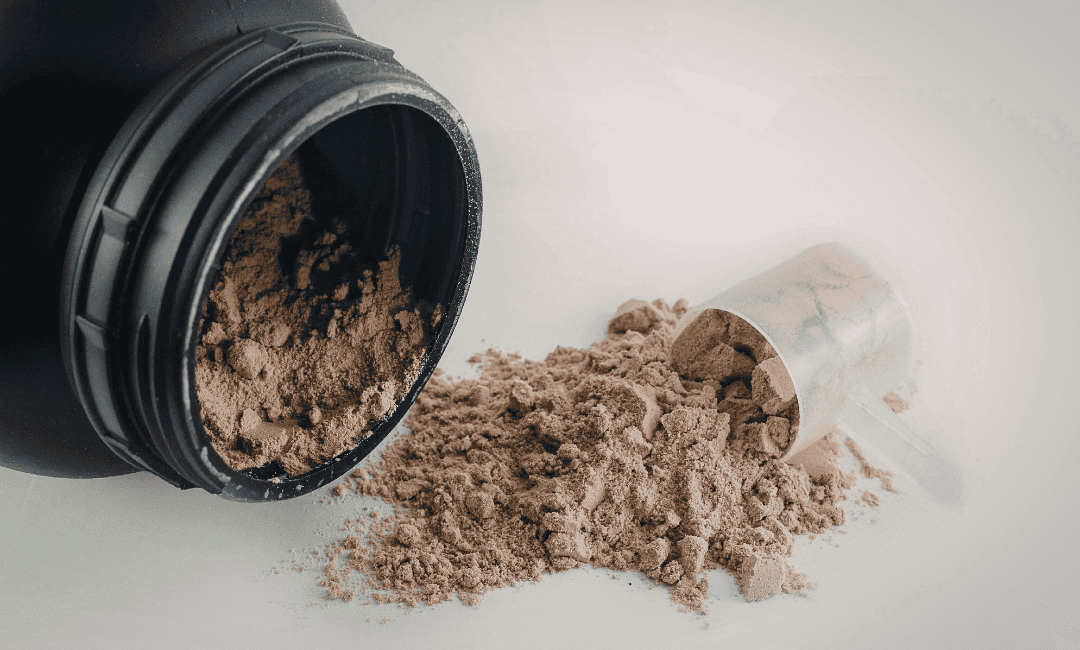
When eating enough solid food becomes difficult due to fatigue, nausea, or changes in taste, finding the right types of protein supplements can be a practical way to protect your health. Plus, these supplements are not only for athletes.
In cancer care, they serve as a valuable tool to prevent muscle loss, support healing, and help the body cope with the physical stress of therapy.
In this guide, we’ll break down the different types of protein supplements and their function to help you and your care team make informed decisions.
Protein supplements are purified dietary products derived from dairy, eggs, or plants. They are processed to deliver a high concentration of amino acids to your body without needing you to digest additional fats and carbohydrates.
Depending on how they’re manufactured, these supplements generally fall into three basic types of protein supplements:
Understanding the distinction between isolate protein vs concentrate protein helps in product selection.
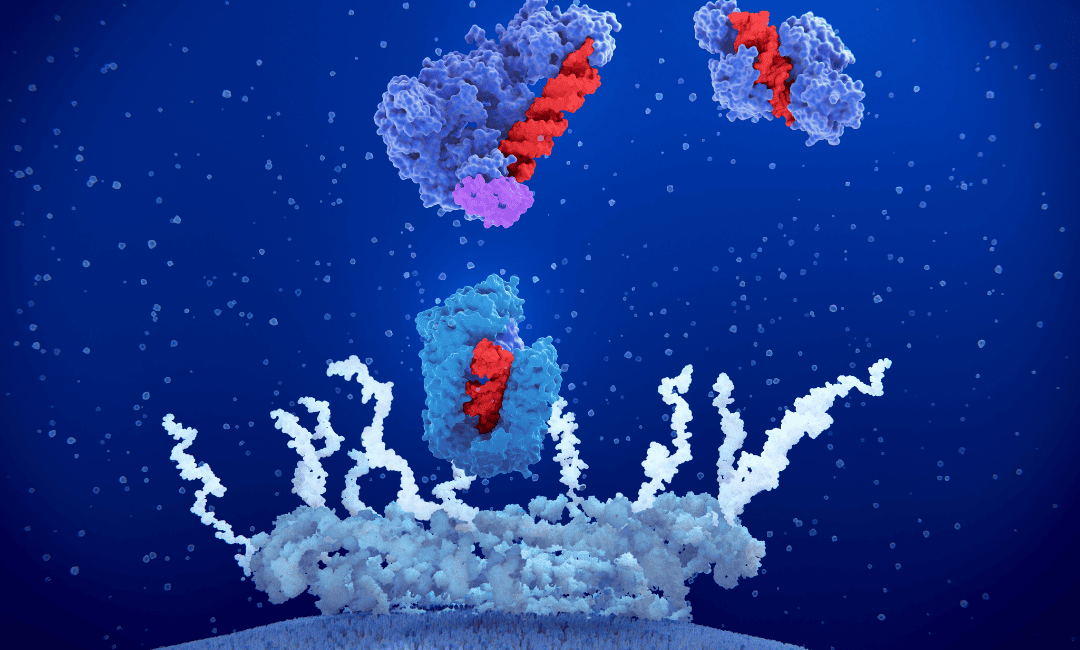
Tumours can alter how the body uses nutrients by releasing inflammatory chemicals. Therefore, managing nutrition and cancer through different types of protein supplements is directly tied to how well your body responds to treatments.
Moreover, muscle loss can make side effects worse and may even force oncologists to pause your treatment early.
To combat this muscle breakdown, you need to consume 1.0 to 1.5 grams, and sometimes up to 2.0 grams of protein, per kilogram of body weight during cancer care.
Changes in the brain's chemistry caused by inflammation can also make patients lose their appetite for meat or eggs before other foods. Using clean, easily drinkable types of protein supplements for cancer care helps maintain strength before severe weight loss occurs.
To choose the right product from a list of types of protein supplements, you must remain informed about how different proteins behave in the body.
Whey comes from milk during the cheesemaking process. It’s a complete protein, meaning it has all the essential amino acids your body cannot make on its own.
It’s especially rich in leucine, an amino acid that acts as a direct trigger for muscle repair and growth.
Whey also digests very quickly, causing a rapid rise of amino acids in the blood. During cancer care, it helps the body produce glutathione, a natural antioxidant that protects healthy cells during treatment.
Casein makes up most of the protein found in milk. Unlike whey, it digests very slowly. When it hits stomach acid, it forms a thick gel, slowing digestion.
This results in a slow, steady release of amino acids over seven to eight hours. Because of this slow-release style, taking casein before bed can help protect muscles from breaking down overnight.
Plant-based proteins are popular options for those following a vegan diet or managing dairy allergies. For example, some patients choose yeast protein.
It’s also known as egg albumen. This is made from pasteurised and dried egg whites, and it’s highly bioavailable, meaning the body absorbs and uses it quite efficiently.
Egg albumen is rich in sulfur-containing amino acids necessary for tissue repair and joint health. Moreover, as the manufacturing process uses heat, it removes any risk of bacterial contamination or nutrient blocking found in raw eggs.
Also, it’s completely free of lactose, making it a safe choice for dairy allergies.
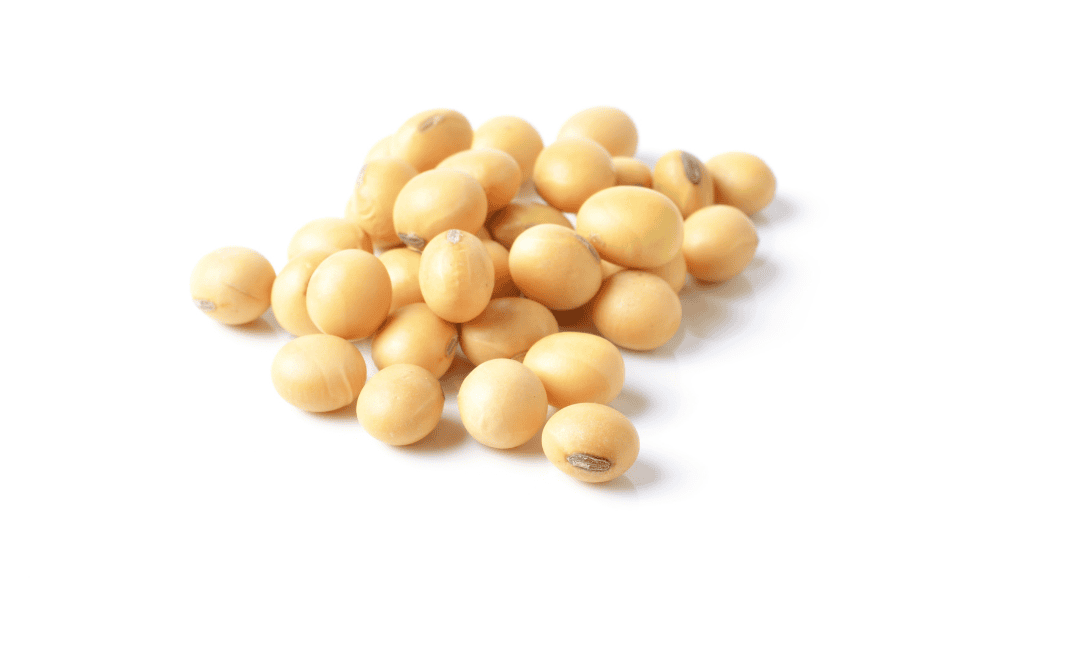
When looking at all types of protein supplements, the best choice depends on a patient's specific symptoms and side effects.
For people dealing with severe nausea, early fullness, or stomach sensitivity, Whey Protein Isolate is highly recommended.
Because they have the fats, sugars, and heavy fibres removed, they move through the stomach quickly, minimising gas, bloating, and discomfort.
However, in very advanced, late-stage palliative care, the body may not respond to aggressive protein supplementation in the same way as it would have in the primary stages.
You can easily adapt how you use protein powders to handle specific treatment challenges:

While protein powders are generally safe, there are important health guidelines and safety steps to keep in mind, especially when you’re undergoing treatment.
Consult your cancer care team before taking protein supplements.
Because dietary supplements are not strictly checked by food safety authorities before they go on sale, look for products that undergo independent, third-party testing.
Clean Label Project analysed 160 popular protein powders and found significant differences in purity, especially regarding heavy metals like lead and cadmium:

This table summarises how the main types of protein supplements compare in terms of digestion speed, safety profiles, and typical uses:
| Protein source | Digestion speed | Contamination risk | Primary use | Main limitation |
|---|---|---|---|---|
| Whey protein isolate | Rapid | Low | Fast muscle repair and healing after surgery | Not suitable for vegans or those with dairy allergies |
| Casein protein | Very Slow | Low | Sustained nutrition, preventing overnight muscle loss | Thicker texture; may cause mild bloating |
| Egg white protein | Moderate | Low | Dairy-free, hypoallergenic muscle support | Not suitable for those with egg allergies |
| Soy protein isolate | Moderate | Moderate to High | Safe, plant-based support for tissue maintenance | Requires checking labels for third-party purity testing |
| Pea and rice blend | Moderate | High | Hypoallergenic, plant-based complete nutrition | Often has a slightly gritty or earthy texture |
| Collagen peptides | Rapid | Low | Supporting joint and connective tissue health | Incomplete protein; cannot support overall muscle growth alone |
Protein supplements are a valuable supportive option during medical recovery and cancer care. While whole foods are always the best foundation, high-quality, third-party tested protein powders provide a clean, concentrated way to meet daily goals when eating is difficult.
Everhope offers expert-led oncology care to help patients and families understand their options and make informed choices.
Our oncology nutrition support can help patients manage diet-related challenges during treatment. With that, you can build a safe, personalised plan that supports your strength and treatment tolerance.