

+918929672099
Call Us
Digestive Enzymes: What They Do And When To Use
Dr. Vrundali Kannoth|5 min read|
For many people navigating cancer treatment, digestive discomfort can affect appetite and recovery. They require digestive enzymes, which are proteins that break down the food we eat into nutrients the body can absorb and use.
Several cancer patients experience some form of nutritional deficit during treatment, with impaired digestion being a key contributor.
Understanding how digestive enzymes work, and when supplementing them may be helpful, is a practical step towards feeling more in control of daily wellbeing.
This article covers the function of digestive enzymes, a detailed overview of their types, dosage guidance, benefits, safety, side effects, and their specific relevance to cancer care.
What are digestive enzyme supplements?
Digestive enzyme supplements are available in the form of capsules, tablets, or powders. They provide concentrated doses of specific enzymes that the body may not be producing adequately on its own.
They support what the body is already doing, particularly when illness, surgery, or treatment has disrupted normal digestive function.
What are digestive enzymes?
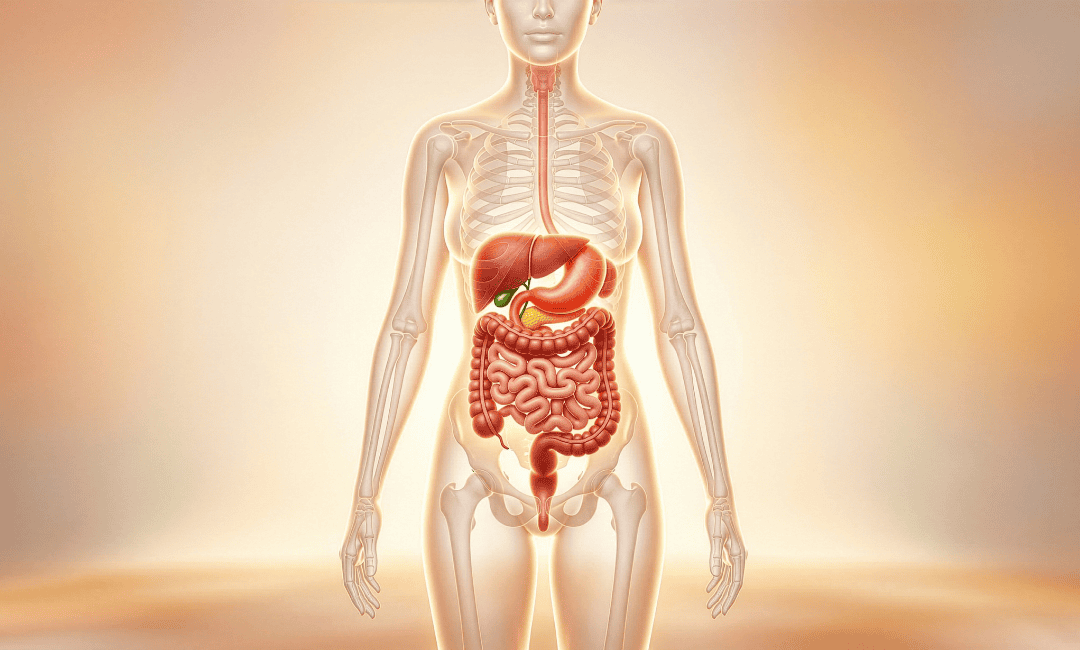
The question of what are digestive enzymes has a simple answer: they are biological molecules, mostly proteins, that act as catalysts. They speed up the chemical reactions that break food into smaller, absorbable units. They are produced naturally in the mouth, stomach, pancreas, and small intestine.
- •How they work:Digestive enzymes work from the moment food enters the mouth. Salivary amylase starts breaking down starch immediately. More enzymes continue the process. Each enzyme targets a specific nutrient.
- •Why they are essential:The purpose of digestive enzymes is to ensure the body can actually use what it eats. The lack of digestive enzymes causes bloating, poor energy, and nutrient deficiency over time.
Types and list of digestive enzymes
The types of digestive enzymes the body uses are wide-ranging, each targeting a different nutrient. Understanding digestive enzymes can help patients and caregivers make more informed choices about supplementation and nutrition.
Here is a list of digestive enzymes, their sources, and their specific roles:
| Enzyme | Produced by | What it digests | Why it matters |
|---|---|---|---|
| Amylase | Salivary glands, pancreas | Starches and carbohydrates | Begins carbohydrate breakdown in the mouth; supports steady energy release |
| Lipase | Pancreas, stomach | Dietary fats | Breaks fats into fatty acids for absorption; critical for fat-soluble vitamin uptake. |
| Protease (proteolytic enzymes) | Pancreas, stomach | Proteins | Breaks protein into amino acids; supports tissue repair and immune function |
| Lactase | Small intestine | Lactose (milk sugar) | Prevents bloating and discomfort in those with lactose sensitivity |
| Sucrase | Small intestine | Sucrose (table sugar) | Converts sucrose into glucose and fructose for energy use |
| Maltase | Small intestine | Maltose | Final step in starch digestion; supports carbohydrate energy metabolism |
| Cellulase | Not produced by humans; found in supplements | Plant fibre (cellulose) | Helps break down plant-based foods; reduces bloating from fibre |
| Bromelain | Pineapple (supplement) | Proteins | Natural anti-inflammatory; may ease digestive discomfort |
| Papain | Papaya (supplement) | Proteins | Supports protein digestion; traditionally used to ease indigestion |
Note that the production of digestive enzymes can be affected by age, stress, chronic illness, and certain medications. In cancer care, this can compound existing nutritional challenges.
Dosage instructions for digestive enzymes
There is no single digestive enzymes dosage. It depends on the individual, their health condition, the enzyme being supplemented, and what your healthcare professional suggests.
The guidance below covers the most common contexts:
For general adult use
For healthy adults using digestive enzyme supplements to ease bloating or improve digestion after meals, a standard supplement is sufficient.
Most commercially available formulations suggest one to two capsules per meal. Starting at the lower end and adjusting based on response is the sensible approach.
When the pancreas is not producing enough
Pancreatic exocrine insufficiency (PEI) is common after pancreatic cancer surgery or certain chemotherapy regimens. It requires Pancreatic Enzyme Replacement Therapy (PERT). Dosages here are higher and precisely managed.
After gastrointestinal surgery
Surgery affecting the stomach, intestines, or pancreas often disrupts natural enzyme secretion. In such cases, taking digestive enzymes after food, or immediately before, can help bridge the gap while the gut heals.
The dose is best determined by the right oncologists with access to the patient's full clinical picture. Self-adjusting without guidance is not recommended.
For older adults and those with reduced appetite
For older patients who eat smaller meals, a low-dose, broad-spectrum supplements taken with meals may support better nutrient absorption without adding digestive burden.
Top 4 benefits of digestive enzymes
The digestive enzymes benefits extend beyond simply avoiding discomfort. For patients managing complex conditions, good digestive enzymes can improve how the body absorbs what it needs to heal.
1. Better nutrient absorption
When digestion is incomplete, even a carefully planned diet may not deliver its intended benefit. Enzyme support helps ensure that proteins, fats, and carbohydrates are properly broken down and absorbed, a particularly important consideration in oncology nutrition.
2. Reduced bloating and discomfort
Digestive enzymes relieve bloating, which is a commonly reported benefit. When enzymes are inadequate, undigested food ferments in the gut, producing gas. Targeted enzyme support can reduce this significantly.
3. Supporting energy and reducing fatigue
When nutrients are not being absorbed effectively, the body cannot fuel itself properly. Improving digestive function can therefore have a tangible effect on daily energy, relevant particularly for managing cancer fatigue.
4. Supporting gut health and reducing inflammation
Enzymes such as bromelain and papain have documented anti-inflammatory properties. A review in Frontiers in Pharmacology noted that proteolytic enzymes may help reduce inflammation in the gut, relevant after gastrointestinal infection or surgery.
Safety considerations
Before starting any enzyme supplement, keep the following in mind:
- Digestive enzymes safe use depends on matching the supplement to the individual's needs.
- Always inform your oncologist before adding any supplement, as some may interact with medications or affect treatment outcomes.
- Check for allergens; many enzyme supplements are derived from pork (pancreatin) or plant sources such as pineapple or papaya.
- Supplements are not a substitute for addressing the lack of digestive enzymes. Underlying conditions such as pancreatitis or coeliac disease need their own management.
Digestive enzymes side effects
Digestive enzymes side effects are generally mild and uncommon, particularly when supplements are taken as directed. Most people tolerate them well.
The table below outlines what you can look out for:
| Side effect | Who is more likely to notice it | What helps |
|---|---|---|
| Digestive enzymes bloating or gas | Those new to supplements or taking high doses | Start with a low dose and increase gradually |
| Nausea | Sensitive stomachs or those taking enzymes without food | Always take with or just before meals |
| Diarrhoea | Those with existing digestive sensitivity | Reduce dose or switch to a gentler formulation |
| Stomach cramps | Rare; usually linked to very high doses | Review dosage with your oncologist or care team |
Digestive enzymes and cancer care
Digestive enzymes and cancer care are areas gaining increasing clinical attention. Treatment frequently affects the gut, making enzyme support a meaningful addition to nutritional planning for many patients.

Conversations around nutrition and cancer need to be a part of everyday care. Digestive health is central to how well the body endures and recovers from treatment.
How cancer treatment affects digestion
Chemotherapy and radiation can damage the gut lining, reduce pancreatic enzyme output, and alter gut motility. These are common digestive enzyme problems.
Addressing the lack of digestive enzymes early is far easier than managing it once it has progressed.
Pancreatic enzyme replacement in gastrointestinal cancers
Patients with pancreatic, bile duct, or upper gastrointestinal cancers are prone to enzyme insufficiency. Many patients with pancreatic cancer develop exocrine pancreatic insufficiency.
Pancreatic enzyme replacement therapy in these patients improves nutritional status and reduces dependence on digestive enzymes use.
Supporting patients with gut side effects
Bloating and poor appetite are the most common gastric problem symptoms during treatment. Inadequate enzyme activity is a contributing factor here.
Working with an oncology nutritionist to assess a diet for cancer patients can improve quality of life during treatment.
Before you go: a note on digestive health and cancer care
For those with regular bloating or unexplained fatigue, it is worth asking whether enzyme support can help. It is a practical, well-tolerated, and often overlooked piece of the recovery puzzle.
The next step is straightforward. Bring it up at your next oncology consultation. Ask about digestive enzyme deficiency, pancreatic function, and whether a nutritional review is due. These are the right questions.
At EverHope Oncology, nutritional support and enzyme assessment are parts of how the care team approaches treatment holistically. We focus on personalised cancer nutrition to ensure your long-term well-being.
FAQs
Yes. Lactase supplements can significantly reduce the bloating, gas, and discomfort associated with lactose intolerance. They are taken alongside dairy-containing foods and are generally well tolerated.
Related Blogs
Insights5 min read
Muh Ke Cancer Ke Lakshan (मुंह के कैंसर लक्षण): कैसे पहचानें?
Dr. Vrundali Kannoth