
+918929672099
Call Us
What Is Burkitt Lymphoma? Symptoms, Causes, and Treatment
Dr. Vrundali Kannoth|5 min read|
A Burkitt lymphoma diagnosis often comes with many questions, and not all of them are easy to answer right away. Moving slowly and taking your time to understand this condition makes all the difference.
Burkitt lymphoma is a fast-growing but highly treatable form of non-Hodgkin lymphoma. Modern care has changed outcomes, with children and young adults now achieving long-term survival rates of up to 90%.
Speed of treatment matters here, but so does patience. Understanding the disease is the first thing a patient or caregiver can do. This article walks through what Burkitt lymphoma is, signs to look for, causes, staging and diagnosis process, and what treatment looks like today.
What is Burkitt's lymphoma?
The simplest Burkitt's lymphoma definition is that it is a cancer of the lymphatic system. This is a tumour that comes under control and can be eradicated with early diagnosis and immediate treatment.
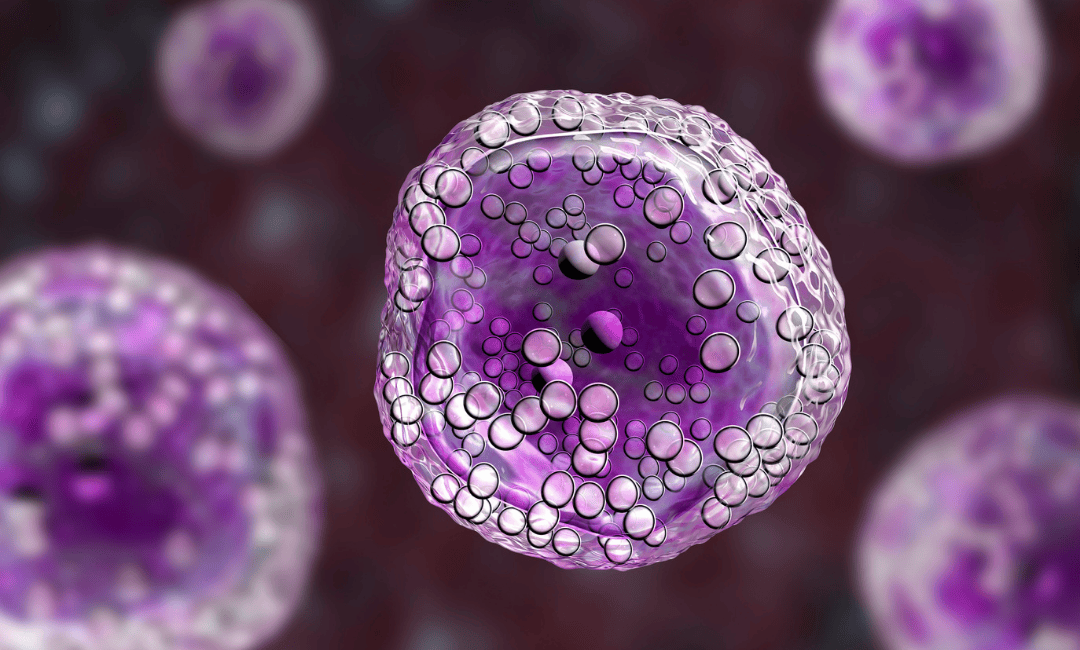
When B-cells, which defend the immune system, begin dividing uncontrollably, they crowd out healthy cells and form the tumour. Although it grows quickly, Burkitt lymphoma cancer also responds well to the right therapy.
3 Main types of Burkitt lymphoma
The World Health Organization recognises three clinical forms of Burkitt lymphoma. They differ in whom they affect and where they are most common:
1. Endemic Burkitt lymphoma
The endemic form is most common in equatorial Africa, parts of Brazil, and Papua New Guinea, where it is the leading childhood cancer in some regions.
It is closely linked to chronic malaria and Epstein-Barr virus infection, and tends to affect the jaw or facial bones.
2. Sporadic Burkitt lymphoma
The sporadic form is most often seen in Europe, North America, and India. It usually appears in the abdomen and accounts for around 1-5% of all non-Hodgkin lymphomas.
3. Immunodeficiency-associated Burkitt lymphoma
This type develops in people whose immune systems are compromised. This includes those living with HIV or organ transplant recipients on long-term immunosuppressive medication. It requires close coordination between oncology and infectious disease specialists.
Symptoms of Burkitt lymphoma
The Burkitt lymphoma symptoms can appear suddenly and progress within weeks, which is why any unusual change in the body deserves attention. Common signs include rapid swelling, unexplained fatigue, and other cancer symptoms:
| Symptom area | What to watch for |
|---|---|
| Lymph nodes | Rapidly enlarging, painless swollen lymph nodes in neck, underarm, or groin |
| Abdomen | Bloating, abdominal pain, fullness after eating a little, or a noticeable lump |
| Jaw and face | Swelling of the jaw or facial bones |
| General health | Unexplained weight loss, drenching night sweats, and persistent fevers |
| Energy and appetite | Sudden fatigue, weakness, or loss of appetite over days |
| Bowel changes | Nausea, vomiting, constipation, or changes in bowel habits |
| Nervous system | Headaches, vision changes, or numbness |
| Bone marrow | Easy bruising, frequent infections, or paleness are later-stage Burkitt lymphoma symptoms |
Causes and risk factors associated with Burkitt lymphoma
Understanding what causes cancer is rarely simple, and Burkitt lymphoma causes are no exception. Researchers have identified a clear genetic event, alongside several environmental and immune triggers. Here is what you should know:
Genetic changes and mutations
The Burkitt lymphoma gene is located on chromosome 8. A translocation moves this gene next to an immunoglobulin gene, driving the uncontrolled growth of Burkitt lymphoma cells.
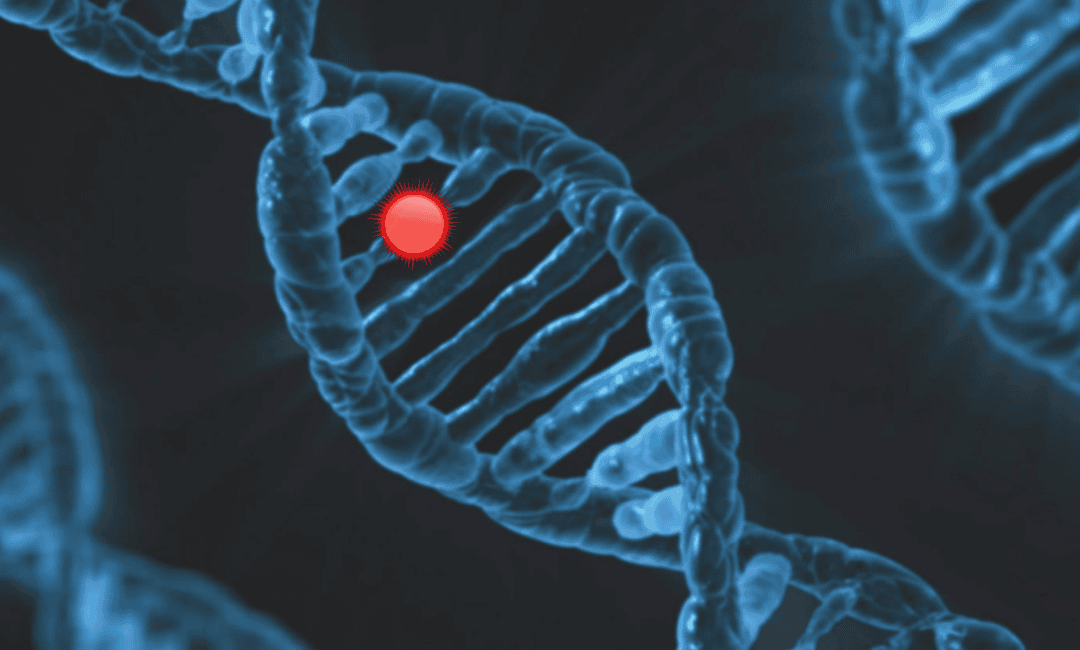
This MYC translocation is the defining Burkitt lymphoma mutation. The MYC gene acts as a powerful Burkitt lymphoma oncogene, pushing cells to divide far faster than the body can manage.
Viral and infectious triggers
In many cases, Burkitt's lymphoma is caused by an underlying infection. The Epstein-Barr virus, the same virus responsible for glandular fever, is the main Burkitt lymphoma virus linked to the disease.
Chronic malaria infection in early childhood also weakens immune control over the Epstein-Barr virus.
Immune system and other risk factors
A suppressed immune system raises the chances of this blood cancer. HIV infection is one of the most significant cancer risk factors, along with long-term immunosuppression after organ transplantation.
Age also plays a role, with the sporadic form diagnosed in children, young adults, and people over 60. These explain the Burkitt lymphoma causes, but a risk factor does not mean a person will develop the disease.
Staging and diagnosis of Burkitt lymphoma
Once Burkitt lymphoma is suspected, the next priority is to confirm the diagnosis and stage. Burkitt lymphoma staging uses the Murphy or St Jude system. Here is how cancer staging works for Burkitt lymphoma:
| Stage I | The disease is limited to a single tumour or one area of lymph nodes, and is not in the chest or abdomen. This is often the most straightforward to treat. |
|---|---|
| Stage II | Two or more lymph node areas are involved on the same side of the diaphragm, or there is a tumour in the gastrointestinal tract that can be surgically removed. |
| Stage III | The lymphoma has spread to areas on both sides of the diaphragm, or involves a large tumour in the chest or abdomen that cannot be removed by surgery. |
| Stage IV | In the most advanced Burkitt lymphoma staging category, the disease has reached the bone marrow or central nervous system. This stage is treatable, and many patients still respond well to intensive therapy. |
How to confirm Burkitt lymphoma diagnosis?
Reaching a confirmed Burkitt lymphoma diagnosis involves coordinated tests. The pace can feel intense, but each step gives the medical team essential information, and modern cancer diagnostics have made this process quicker. Here is how it works:

- A biopsy of the affected lymph node or tumour, examined under a microscope.
- Immunohistochemistry and flow cytometry to check the surface markers on the cancer cells.
- Genetic testing, including FISH, to detect the MYC translocation that defines the disease.
- Imaging scans such as PET-CT or MRI to map every site where the disease is present.
- Bone marrow biopsy and lumbar puncture to check for spread to the marrow or central nervous system.
5 treatment options for Burkitt lymphoma
The Burkitt lymphoma treatment approach has changed over the past two decades. Because the disease grows quickly, treatment is intensive and begins as soon as possible. The goal is cure, which sets it apart from many other forms of cancer treatment. Here are your options:
1. Chemotherapy
Multi-drug chemotherapy is done for every Burkitt lymphoma treatment protocol. Standard regimens combine several drugs in carefully timed cycles, often as an inpatient in the early phases.
2. Immunotherapy with rituximab
The addition of rituximab, a monoclonal antibody that targets B-cells, has been a significant advancement in modern care. A large multi-centre study found that adding rituximab raised three-year overall survival from 44% to 72% in adults.
3. Central nervous system protection
Since Burkitt lymphoma can spread to the brain and spinal cord, treatment includes intrathecal chemotherapy. It is delivered directly into the spinal fluid to protect the central nervous system.
4. Stem cell transplantation
For patients whose disease returns after initial treatment, an autologous or allogeneic stem cell transplant may be considered. This is reserved for selected cases and discussed carefully with the family.
5. Supportive care during treatment
Tumour lysis syndrome, where dying cancer cells release their contents into the bloodstream, is a concern early in treatment. Nutritional support, infection prevention, medications, and emotional care all help prevent it.
Prognosis and survival rate in Burkitt lymphoma
The Burkitt lymphoma prognosis has improved with modern chemoimmunotherapy. Burkitt lymphoma cancer is now considered a curable aggressive lymphoma.
Several factors influence individual cancer survival rates, and your oncology team will discuss what these mean in context. Here is everything you should know:
Age at diagnosis
Children and younger adults generally respond better to intensive chemotherapy. Younger bodies tolerate the demanding regimens more easily.

Stage at diagnosis
Stage I and II disease carries a more favourable outlook than Stage III or IV, although all stages remain treatable. Early symptom recognition makes the difference here.
Central nervous system involvement
Disease that has reached the brain or spinal fluid requires more intensive treatment, but dedicated central nervous system therapy has improved these outcomes in recent years.
Lactate dehydrogenase levels and overall health
Higher LDH levels in the blood and a lower performance status at diagnosis are associated with more challenging outcomes. These help oncologists tailor treatment intensity.
Risk of cancer recurrence
Most relapses, when they happen, occur within the first year after treatment. Regular follow-up appointments help catch any signs of cancer recurrence early.
Managing Burkitt lymphoma with proper care
Living with Burkitt lymphoma asks a lot of patients and their loved ones. The pace of treatment and the emotional weight sit alongside everyday life.
Now that you understand what is Burkitt’s lymphoma, the thing to remember is that it is a treatable aggressive lymphoma. Care today is far more humane than it was a decade ago. Talking openly about fears and asking questions can make a real difference.
At Everhope Oncology, our team of oncologists supports patients and families through every stage, in a setting designed to feel warm. Cancer care is changing, and so is the conversation around it.
FAQs
Burkitt lymphoma is one of the fastest-growing human tumours, with cells that can double in number within 24 to 48 hours. This is why immediate treatment is so important, and also why the disease responds so well to chemotherapy.
Related Blogs
Insights5 min read
Blood Cancer Ke Lakshan (रक्त कैंसर के लक्षण): संकेत जिन्हें नजरअंदाज न करें
Dr. Vrundali Kannoth

Symptoms5 min read
Folic Acid Supplement: Importance, Benefits and Deficiency Symptoms
Dr. Vrundali Kannoth